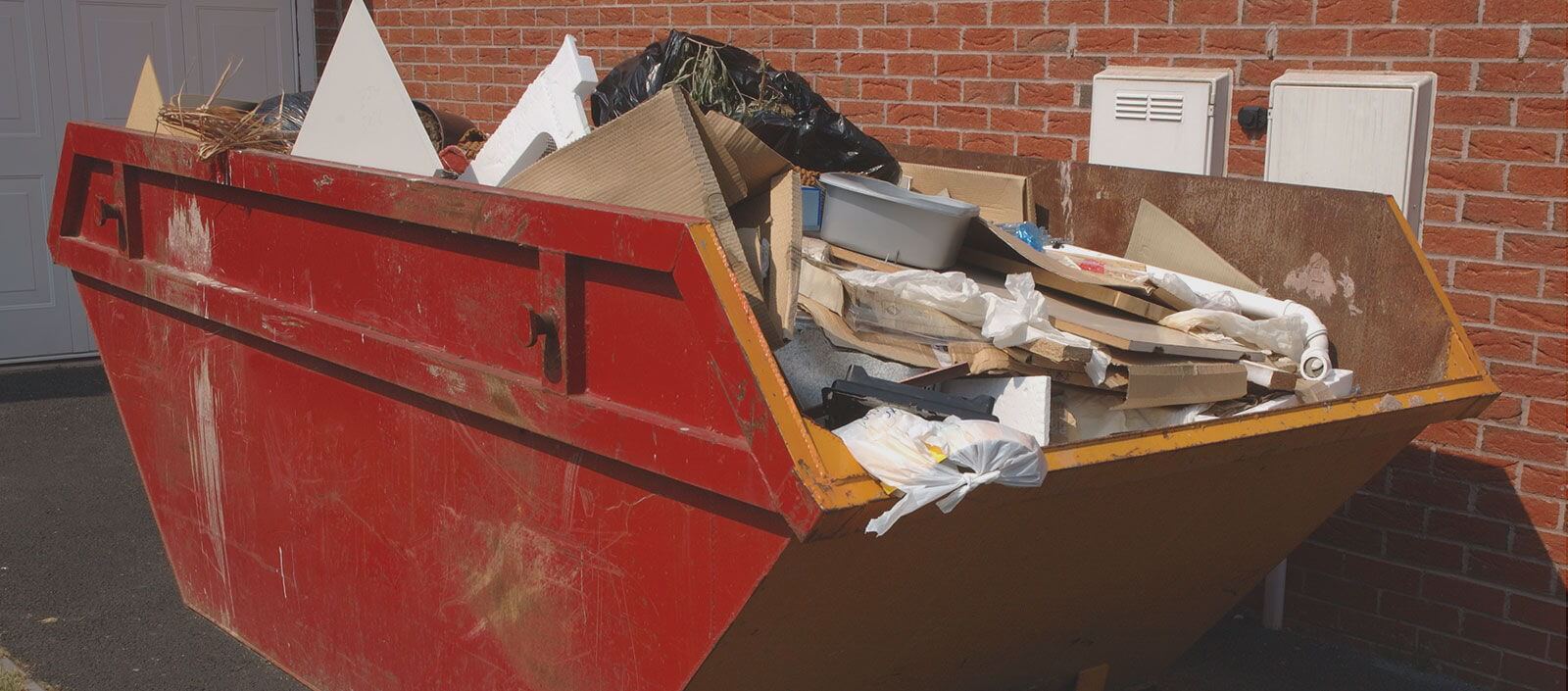
Waste Removal in Maida Vale for homes, businesses and property clearances
Waste Removal Maida Vale provides practical rubbish collection and clearance work in Maida Vale, with a focus on removing unwanted items, sorting mixed loads and handling straightforward collections that suit domestic and commercial customers. The service covers general waste, bulky items and specialist clearances, so you can arrange a single visit for one-off clutter, ongoing premises waste or a larger property job. The aim is simple: make it easier to clear space without turning the task into a drawn-out project.
Typical work includes furniture disposal, appliance removal, garden waste, builder’s waste and property clearance. Where a load contains different materials, the right approach is to separate what can be reused, recycled or disposed of correctly. That keeps the process orderly and helps customers choose the most suitable service rather than treating every collection as the same. If you already know the main items, it is usually easier to choose the right collection route from the start.
If you are comparing options, start by looking at the type of waste, access to the property and how much needs to go. Our services overview gives a useful summary of the main collection and clearance work available, while the rest of this page explains how those services differ in practice. For many customers, the best result comes from matching the job to the right removal type rather than booking something broader than necessary.
Domestic waste, bulky items and everyday clearances
Household waste removal is often about dealing with a mixture of items rather than a single bag or binful. Broken furniture, old storage, general clutter, packaging and loose rubbish all need a slightly different approach when they are removed from a flat, house or shared property. Our domestic collections are designed for that sort of mixed load, with attention to separation and disposal so the customer is not left trying to organise several separate services for one clear-out.
For softer furnishings and worn-out items, furniture removal in Maida Vale is often the most direct option. It suits single items as well as multiple pieces, especially where access or handling matters more than the overall volume. Heavier items can be awkward to move through stairs, tight hallways or communal spaces, so planning the removal route sensibly can be just as important as deciding what leaves the property. Bulky waste is best treated as a managed collection rather than a simple lift-and-go job.
When items are mostly household rubbish rather than a few large pieces, rubbish collection can be the better fit. It works well where bags, loose waste and odd items have built up over time and need clearing in one go. For customers preparing a quotation, two points usually help most: a clear idea of what is being removed, and practical access details such as stairs, parking or entry restrictions. If the load includes breakable or awkward objects, say so at the outset so the collection can be planned properly.
Builders waste, renovation debris and site clear-up
Renovation and maintenance work produce waste that is very different from domestic clutter. Rubble, timber offcuts, broken fittings, packaging, tiles and mixed debris all need careful sorting because the contents are heavier, dirtier and often more varied than ordinary household rubbish. Our builders waste disposal service is suited to that type of post-work clear-up, particularly after refurbishments, minor alterations or small construction projects where material has piled up faster than it can be handled on site.
For jobs involving a broader mix of materials, the right service depends on whether the waste is mainly inert construction debris or includes fixtures, fittings and general rubbish. Builders waste can often include plasterboard, packaging and unwanted surfaces alongside heavier fragments, so the collection needs to be planned with the likely weight and composition in mind. A tidy load is easier to remove, but the key decision is still whether the waste is best treated as building debris, general rubbish or a combination of both.
Some customers only need a partial clear-up after contractors have left. In those cases, it can help to separate salvageable materials from waste before the visit, but that is not essential if the load is straightforward. Pricing and quotes are easiest to discuss once the type of material and access conditions are understood, because the nature of the waste matters as much as the amount. Use a plain description of the debris, and mention whether the collection is from inside, outside or from a work area with restricted access.
Furniture, appliances and household item disposal
Not all disposal jobs are about general rubbish. Large household items often need a separate approach because they are bulky, awkward to move and sometimes made from more than one material. Old sofas, wardrobes, tables, beds and office-style pieces can all require careful handling during removal, especially in properties where access is narrow or shared. For that reason, furniture disposal is a useful option when the items are beyond reuse or simply need clearing without delay.
White goods and appliances raise different practical issues. Fridges, freezers, washing machines and similar items are heavy and may need to be disconnected or positioned for safe movement before collection. Appliance disposal is suitable where the emphasis is on removing a working or non-working appliance responsibly rather than treating it as ordinary junk. If a customer is unsure whether an item should be classed as furniture, appliance waste or general rubbish, the safest approach is to describe the item by type and condition so the collection can be matched correctly.
Good preparation helps these jobs run more smoothly. Two simple steps usually matter most: keep the items together where possible, and note anything that affects moving them, such as basement steps, shared entrances or fragile surroundings. That does not mean every job needs detailed planning, but it does help to make the collection accurate. For mixed household loads, it is often better to combine furniture, appliance and rubbish removal into one sensible booking rather than splitting them unnecessarily.
About Maida Vale
Maida Vale is a residential district in West London, within the City of Westminster, known for its broad avenues, mansion blocks and canal-side setting. It sits between St John’s Wood, Little Venice, Kilburn and Paddington, with Warwick Avenue and Maida Vale Underground stations serving the area on the Bakerloo line. The Grand Union Canal runs through nearby Little Venice, where the basin, towpaths and houseboats give the neighbourhood a distinctive waterside character that contrasts with the larger, more formal streets inland. Much of Maida Vale developed during the late nineteenth and early twentieth centuries, when London’s expansion encouraged the construction of elegant apartment blocks and terraces aimed at middle-class residents. Several streets retain that architectural rhythm, with stucco façades, tree-lined pavements and long residential frontages creating a calm urban landscape rather than a commercial high street atmosphere. The area is also associated with cultural life: the Maida Vale Studios, long used by the BBC, became a recognised recording venue, while nearby Regent’s Canal and the wider Little Venice district contribute to the area’s sense of openness. Paddington Recreation Ground provides one of the best-known open spaces close by, and the district’s local character is shaped by a mix of waterways, transport connections and densely built housing. That blend of canals, quiet streets and enduring Victorian and Edwardian architecture gives Maida Vale a clearly defined place within inner London, while still linking it to the broader West End and north-west corridor.
House clearances, loft access and more involved removals
House clearance is the right choice when a property contains a full mixture of belongings, furniture, white goods and general waste rather than just a few loose items. It is especially useful where the aim is to clear rooms methodically and leave the property ready for the next stage, whether that is selling, letting, renovating or simply regaining usable space. The contents may include a little of everything, so the work is usually about sorting and removing each category in the most practical order.
Some properties present more access challenges than others, which is why loft and attic work deserves its own consideration. Loft clearance can involve lightweight boxes, old household storage, seasonal items, broken furniture or long-forgotten clutter that has been left untouched for years. The main issue is often not the waste itself but the route down through the property. Where ceilings, hatch openings or staircases are restrictive, the clearance needs to be planned so items are brought out safely and without unnecessary disruption.
If you are arranging a larger property job, it helps to group the items by room or by type before you ask for a quotation. That makes it easier to decide whether the work is a full house clearance, a partial attic job or a combination of different removal needs. Clear access details are useful, but a simple description is usually enough at the first stage. If the property includes bulky pieces, mixed waste or awkward storage areas, mention them together so the collection can be matched to the job.
Commercial waste and office clearance
Business premises often need waste removal for different reasons from homes. Office furniture, shelving, packaging, paperwork, old equipment and redundant stock can accumulate as layouts change or rooms are reconfigured. Our commercial waste removal service is intended for those broader workplace collections, where the objective is to clear unwanted items efficiently while keeping the process orderly for staff and visitors.
For desk areas, storage rooms and former workspaces, office clearance provides a more specific fit. It suits premises that need furniture, boxes, peripherals or mixed office contents taken away in one organised visit. Businesses often need to think about timing, access and the type of material involved, especially if the clearance includes items that should not be mixed with ordinary rubbish. A well-planned collection can reduce disruption, but it still depends on accurate information about the contents and the route through the building.
Where a business needs help deciding between a one-off clearance and a broader waste collection, the most useful starting point is to list the items by category. That can include desks, chairs, screens, archive material, packaging and general waste. If the contents are mostly office furniture, a dedicated clearance may be the better choice; if the load is more mixed, a general commercial collection might fit better. Either way, the goal is the same: remove the waste cleanly and in a way that suits the premises.
Garden waste, mixed materials and sustainability
Outdoor clearances are different again because garden waste tends to be lighter, bulkier and more varied than indoor rubbish. Branches, hedge cuttings, soil in small amounts, old planters, damaged fencing sections and weathered outdoor clutter all create a load that benefits from being kept separate from indoor household waste. Garden waste removal is therefore useful for seasonal tidy-ups, pruning jobs and general outdoor maintenance when the waste has built up faster than it can be composted or bagged.
Where materials are mixed, sorting matters because not everything from a garden or yard is handled in the same way. Timber offcuts, plastic pots, broken fixtures and green waste may need different treatment, especially if the load includes items that came from a wider renovation rather than pure garden maintenance. Our recycling and sustainability information explains the general approach to responsible handling of collected material. That matters because good waste work is not only about removal, but also about making sensible decisions on what can be recycled and what must be disposed of through the appropriate route.
If a customer has a mixed outdoor load, it helps to think in simple groups: green waste, hard landscaping fragments and any general rubbish gathered during the job. That basic split makes it easier to choose the right collection and avoid treating everything as one undifferentiated heap. Garden waste can be surprisingly awkward when wet or compacted, so a straightforward description of the contents is often the most useful preparation before asking for a quote.
Quotes, compliance and booking the right collection
When comparing waste removal options, price is usually affected by the type of material, the amount to be taken away and how easy it is to remove. Heavier items, mixed loads and awkward access can all change the amount of work involved. For that reason, a useful quotation depends on more than the contents alone. It also depends on whether the collection is from a ground floor, upper floor, basement or outdoor location, and whether there are any items that need extra handling because of size or weight. Prices are best understood alongside the scope of the job rather than as a single figure detached from the work.
Before arranging a collection, it can also help to review the practical details that sit behind a safe and compliant service. Waste carrier licence and compliance explains the kind of standards customers should expect when choosing a removal service, while insurance and safety covers the general approach to careful handling and risk awareness. For many customers, that reassurance matters just as much as the collection itself, because it shows the work is being treated as a proper service rather than a casual uplift.
Request a quotation when you are ready, and keep the description clear: what needs removing, where it is located and whether anything is especially heavy, fragile or awkward. If the job is a straightforward collection, that may be all that is needed. If it involves mixed waste, a full property clear-out or commercial items, a little more detail will help. You can also use the contact page to make the next step once you have gathered the essentials.