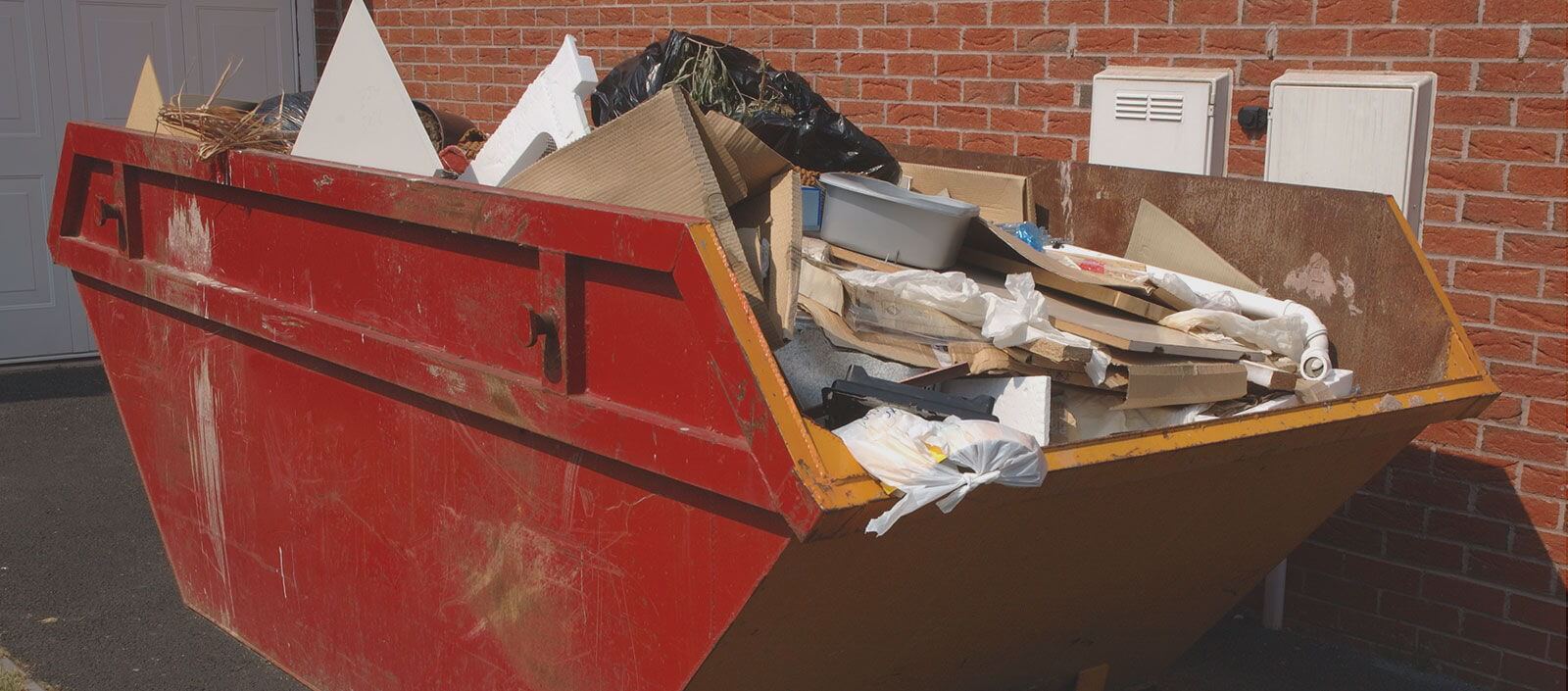
Basement access problems for Maida Vale rubbish clearances
Posted on 10/06/2026

Basement access problems for Maida Vale rubbish clearances: practical ways to get bulky waste out safely
If you have ever tried to move a sofa, broken wardrobe, builders' rubble, or a pile of old household clutter out of a basement in Maida Vale, you will know the problem is rarely the rubbish itself. It is the access. Narrow staircases, awkward turns, low ceilings, shared hallways, damp steps, and residents who quite rightly do not want walls scratched or floors scuffed can turn a simple clearance into a small operation. Basement access problems for Maida Vale rubbish clearances are common, and they matter because they affect speed, safety, price, and what can realistically be removed on the day.
This guide explains how basement clearances work when access is tight, what makes Maida Vale properties a bit tricky, and how to plan so you avoid delays and surprises. We will also look at the practical choices available, where costs can creep in, and the small checks that make a big difference. Truth be told, a few minutes of planning before the team arrives can save a lot of faff later.
Why basement access problems for Maida Vale rubbish clearances matters
Basements can be brilliant spaces. They often store old furniture, archive boxes, renovation waste, spare appliances, or the sort of "I'll sort that later" items that somehow survive three seasons and a house move. But when it is time to clear them, access becomes the real issue. In Maida Vale, many homes, flats, and converted properties have period layouts, split-level arrangements, or basement rooms reached by tight stairwells. That creates friction for a clearance team and stress for the client.
The practical impact is bigger than people expect. Poor access can mean slower loading, more labour, extra lifting, fewer items removed in one visit, and a higher chance of damage if the right plan is not in place. A crew may also need to park differently, carry items further to the vehicle, or dismantle large objects before moving them. None of that is unusual. It just needs to be accounted for.
There is also a timing element. If the basement is hard to reach, a same-day job can take longer than a standard first-floor collection. That does not mean it cannot be done. It just means the team needs accurate information beforehand. If you want to understand how schedule pressure can affect arrivals, it is worth reading what can delay same-day rubbish removal in Maida Vale.
For anyone preparing a move, a refurbishment, or an end-of-tenancy clean-up, access planning is not a side issue. It is the heart of the job. And if the basement is part of a property sale or a rental turnaround, it can affect how quickly the property is made presentable. That is especially relevant if you are also looking at property sales in Maida Vale or considering broader real estate investment tips for Maida Vale.
Expert summary: basement access is not just a physical inconvenience. It shapes safety, pricing, labour requirements, and the whole pace of the clearance. The earlier you flag it, the smoother the job tends to go.
How basement access problems for Maida Vale rubbish clearances works
A good clearance starts before anyone lifts a single item. The process usually begins with photos, a description of the basement layout, and a quick assessment of the waste type and volume. If access is awkward, the team will want to know whether the items must come up internal stairs, through a rear entrance, across a courtyard, or via a front path with limited turning space. That sounds minor, but it changes the whole method.
In practice, the team looks at four things: the route, the item size, the weight, and the surfaces being protected. A basement with a low ceiling and a tight bend on the second step is a completely different proposition from a wide, straight stairwell. A pile of mixed bagged waste is also very different from a fridge, a sofa, or a stack of damp plasterboard. If you are dealing with appliances, you may need to pair the job with white goods and appliance disposal in Maida Vale so the handling and recycling route is right from the start.
There is usually a simple decision tree:
- Confirm the access route and parking point.
- Check whether items can be carried whole or need dismantling.
- Decide how many people are needed for safe lifting.
- Protect the route with covers or mats if needed.
- Load waste in stages rather than trying to rush everything at once.
That last point matters more than people think. Rushing is where scrapes, strains, and avoidable frustration start to creep in. Basement work is a bit like moving furniture through a narrow hallway during a winter evening. You can do it, but not if everyone is pretending the space is wider than it is.
Sometimes the access issue is not the stair itself but the building rules. Shared entrances, block management arrangements, resident-only corridors, or timed access can all affect the job. In those cases, a planned arrival window and clear instructions are worth their weight in gold. If you have ever seen a clearance team waiting on a pavement because nobody can get the basement door open, you will know exactly what I mean.
Key benefits and practical advantages
Getting basement access right is not just about avoiding trouble. It also gives you a cleaner, calmer, more efficient clearance. Once the route is understood, the job feels more orderly and the outcome is usually better.
- Safer lifting and handling: the team can prepare the right number of people and reduce the chance of injury.
- Less damage to the property: measured movement and route protection reduce scrapes on walls, banisters, and flooring.
- Clearer pricing: access details help avoid awkward add-ons later.
- Faster completion: a clear plan usually means fewer stops and less backtracking.
- Better recycling outcomes: waste can be sorted more efficiently when the team knows what is coming out and how.
There is also a psychological benefit. To be fair, a basement full of clutter can feel heavier than it looks. When it is dealt with methodically, the whole property feels lighter. Clients often notice that first-floor rooms seem brighter after the basement is cleared because there is suddenly room to breathe, store things properly, or begin building work. That sense of relief is real.
For some properties, a basement clearance is part of a larger project. It may sit alongside a full house clearance, a garage clear-out, or a renovation. In those cases, it can help to look at related services such as house clearance in Maida Vale or waste removal in Maida Vale so the work is joined up rather than done piecemeal.
Who this is for and when it makes sense
Basement-access planning is relevant to a surprisingly wide group of people. You might be clearing a family home after years of storage use. You might be a landlord trying to reset a property between tenancies. Or you could be managing renovation waste from a basement conversion where the builder has left behind mixed rubble, timber offcuts, packaging, and old fixtures.
It also makes sense for:
- Homeowners dealing with years of accumulated clutter in lower ground storage.
- Buy-to-let landlords preparing a basement flat or storage area.
- Estate agents or property managers under time pressure.
- Small businesses clearing archive stock, packaging, or old equipment from a cellar.
- Builders needing a sensible route for builders waste disposal in Maida Vale.
There is a simple rule of thumb here. If the item is awkward, heavy, fragile, or difficult to turn in a stairwell, flag it early. That includes things like wardrobes, mattresses, cast-iron items, filing cabinets, and old appliances. If it is commercial stock rather than domestic clutter, a specialist commercial waste removal approach may be better than a one-off ad hoc move.
When does it make sense to book help rather than try to do it yourself? Usually when two or more of these are true: the stairs are steep, the items are bulky, the basement is damp or cramped, parking is awkward, and there is a time deadline. That combination is where DIY enthusiasm tends to meet reality. Not always gracefully, either.
Step-by-step guidance
If you want to reduce friction on the day, the best approach is simple and structured. Here is a practical sequence that works well for basement clearances in Maida Vale.
1. Walk the route in advance
Measure the narrowest point, check the door swings, note any low ceilings, and look for bends in the stair run. If you can, take photos from the basement to the exit. Photos are more useful than a vague "it's a bit tight" message. A lot more useful.
2. Separate what can be moved easily from what cannot
Group small bagged waste, loose cardboard, and lighter items together. Put heavy or awkward items aside so they can be assessed individually. This helps the clearance team work in a smoother sequence rather than stopping every minute to rethink the plan.
3. Check whether items can be dismantled
Sometimes a sofa, bed frame, wardrobe, or shelving unit becomes manageable once it is partly disassembled. That is not always needed, but it is often the difference between a quick carry and a clumsy struggle. If the item is furniture, you may also want to consider furniture disposal in Maida Vale for a more straightforward route.
4. Clear the top and bottom of the staircase
Remove loose shoes, bins, plant pots, and anything else that could trip someone up. Basements have a habit of collecting little obstacles. You do not notice them until somebody is on the second step with a cupboard on their shoulder. Then they are suddenly very visible.
5. Protect surfaces
Use covers or moving blankets where appropriate. The aim is to protect paintwork, banisters, flooring, and any tight corners the waste has to pass. This is especially important in period homes where surfaces can mark more easily than people expect.
6. Confirm parking and access timing
If the vehicle cannot be parked near the property, the carry distance increases. That can affect labour time. It also matters if the access is shared or only available during certain hours. Mention any restrictions early.
7. Let the team sort and load systematically
Once the job starts, the safest pattern is usually a staged approach: lighter items first, awkward items next, and fragile or heavy materials handled with the most care. If the clearance is mixed waste, a proper sort can also improve recycling and reuse opportunities.
Expert tips for better results
A few small habits make a big difference with basement access problems. The first is honesty. If a staircase is tighter than you want to admit, say so. Nobody benefits from a rosy description that turns into a difficult job at the door. The second is photos. The third is timing. Basements are often colder, damper, and darker than the rest of the property, so having good light on the day helps everyone see what they are doing.
Here are some practical tips that often get overlooked:
- Label the really awkward items so the team can plan the lift order.
- Keep the route dry if there has been rain or a leak. Wet steps are a nuisance and a risk.
- Move breakables out of the way even if they are not being collected.
- Be realistic about "one person can carry that". Sometimes yes. Sometimes absolutely not.
- Check whether the item can be recycled or reused before deciding it is pure waste.
For clearances with a lot of mixed material, the team may suggest a broader service rather than a single-item collection. That can be particularly helpful if the basement contains storage waste alongside broken furniture or renovation debris. In those cases, rubbish collection in Maida Vale can be a good fit for smaller mixed loads, while larger jobs may sit better under house clearance or office clearance if the basement is being used as storage for a business.
And one more thing. If you are comparing options, do not focus only on who can arrive fastest. Speed is handy, sure, but the best result usually comes from the team that understands the access properly and plans around it. Otherwise you are paying to make a difficult job look energetic. That is not the same thing.

Common mistakes to avoid
Basement clearances go wrong in fairly predictable ways. None of them are dramatic on their own, but together they can create headaches.
- Under-describing the access: "narrow" does not mean much unless you explain the bend, stairs, or low ceiling.
- Forgetting parking restrictions: a crew that cannot park close enough may need extra carrying time.
- Leaving the route cluttered: bags, bikes, boxes, and coats all become obstacles.
- Assuming every item is moveable whole: some items must be dismantled or carried in sections.
- Not mentioning damp or slippery steps: this affects safety and handling.
- Mixing different waste types without warning: builders waste, household junk, and appliances may need different handling.
A particularly common mistake is to judge the job by square footage rather than by access. A tiny basement with one open route can be easier than a large lower-ground area reached by a cramped staircase, a tight doorway, and a shared hall. The geometry matters more than the room size. It really does.
Another one: people sometimes forget that a clearance team has to protect the building as well as remove the waste. In a Maida Vale conversion with decorative bannisters or narrow hallways, that can take a bit more care and time. Planning for that is not overcautious. It is just sensible.
Tools, resources and recommendations
You do not need specialist equipment for every job, but the right tools make basement access far easier. Moving straps, trolley boards, protective covers, gloves, and strong sacks are part of a proper setup. For heavier items, more than one person should usually be involved, and there should be a clear lifting plan before anything leaves the basement.
Useful preparation tools on your side include:
- A tape measure for stair width, doorway width, and item dimensions.
- A phone camera for route photos.
- Labels or sticky notes for sorting items by priority.
- Basic lighting if the basement is dim.
- Gloves and sensible footwear if you are doing any pre-clearance sorting yourself.
If you are still deciding which service is most suitable, it helps to compare your needs with the provider's wider service range. The page on services overview gives a broad sense of how different jobs are handled, while about us and waste carrier licence and compliance are useful trust signals if you want reassurance about how waste is managed.
If you are especially focused on environmental handling, it is also worth looking at recycling and sustainability. Basement clearances often uncover a mix of reusable furniture, recyclable metals, cardboard, and general waste. Getting that separated properly is better for everyone.
Need a quick decision? If the basement contains mostly small items, domestic rubbish, or bags, the job is often straightforward. If it contains bulky furniture, appliances, or renovation debris, the access route should be treated as a key part of the brief, not an afterthought.
Law, compliance, standards, and best practice
While this topic is mainly practical, compliance still matters. In the UK, waste must be handled by someone who can legally carry it and dispose of it properly. You do not need to become a legal expert to book a clearance, but it is sensible to know that reputable operators should be able to explain how waste is transported, sorted, and transferred onward. A valid waste carrier registration, appropriate insurance, and clear terms are all part of good practice.
Safety is equally important. Basement spaces can present trip hazards, poor lighting, moisture, and awkward lifting conditions. A professional approach should account for safe lifting, route protection, and sensible limits on what can be carried down narrow or uneven stairs. If a job feels unsafe without extra hands or a different method, that is not a weakness. It is a sign the plan needs adjusting.
For peace of mind, it helps to review practical trust pages such as insurance and safety, terms and conditions, and privacy policy. Those pages do not just tick boxes. They tell you how a company thinks about responsibility, customer data, and the basics of a professional service.
There is also a useful best-practice point around transparency. If access is difficult, pricing should be discussed clearly in advance so there are no awkward surprises once the crew sees the staircase. That is where pricing and quotes becomes relevant. In this sort of work, clarity beats guesswork every time.

Options, methods, and comparison table
There is no single right way to clear a basement. The best method depends on what is stored there, how tight the access is, and how quickly the job needs to be done. Here is a simple comparison to help you think it through.
| Method | Best for | Pros | Watch-outs |
|---|---|---|---|
| Manual carry up the stairs | Small to medium loads, bagged waste, lighter furniture | Flexible, direct, often efficient for simple jobs | Needs good access planning and safe lifting |
| Dismantling items first | Wardrobes, beds, shelving, bulky awkward furniture | Can turn an impossible carry into a manageable one | Takes more preparation; not every item is suitable |
| Staged removal over several loads | Large or mixed clearances with limited route width | Reduces congestion and rushing | May take longer overall |
| Service matched to waste type | Builders waste, appliances, mixed domestic waste, office items | Better sorting and more appropriate handling | Needs accurate description upfront |
For some people, the right answer is not a basement-specific solution but a broader waste service that covers the whole property. If that sounds like your situation, domestic waste collection in Maida Vale may be suitable for household clutter, while furniture removal in Maida Vale can work well when the issue is mainly bulky items rather than general rubbish.
Skip hire is sometimes considered, but it is not always the simplest answer in tight-access areas. If you are comparing alternatives, this local piece on skip alternatives and rubbish services in W9 gives a useful angle, especially where parking and space are limited. In a basement scenario, a collection service can often be less disruptive than trying to get a skip positioned and loaded around the building's access limits.
Case study or real-world example
Here is a realistic example. A Maida Vale flat had a basement storage area full of old shelves, broken suitcases, mixed household junk, and a heavy sofa bed that had been sitting there for years. The staircase was narrow, with one awkward turn halfway up, and the hallway above had freshly painted walls. Nobody wanted scuffs. Fair enough.
Instead of treating it as a simple collection, the clearance was planned in stages. First came a route check and a photo review. Then the sofa bed was partly dismantled so it could be handled safely. Lighter bags and loose items were removed first, which opened the route. Protective coverings were placed where the furniture would brush the wall. The final heavy items came out once the stairs were clear and the team had space to work without bumping into themselves.
The result was not dramatic. No fireworks, no heroics. Just a tidy basement, unmarked walls, and a job finished without drama. That is usually the goal, really. If a clearance ends with everyone thinking, "well, that was uneventful," it was probably done properly.
This kind of situation is common near converted period properties and lower-ground flats around Maida Vale and neighbouring streets. If you are also dealing with local noise, access, or parking sensitivities in the wider area, articles like Little Venice waste clearance options near Maida Vale and bulky rubbish removal tips around Warwick Avenue Station may help you think through the practical side of a nearby collection.
Practical checklist
Use this checklist before booking a basement clearance or rubbish collection.
- Take clear photos of the basement, stairs, and exit route.
- Measure narrow doorways, stair width, and any awkward turns.
- List the largest or heaviest items separately.
- Note whether items can be dismantled.
- Check for damp, wet steps, or poor lighting.
- Confirm parking and access restrictions.
- Clear the staircase and hallway of loose obstacles.
- Decide whether the job is domestic, commercial, or mixed.
- Ask about insurance, waste handling, and pricing structure.
- Keep contact details handy in case access changes on the day.
A small checklist like this can save a huge amount of time. You do not need to overcomplicate it. Just be precise, and be honest about what is actually there. That is what helps a clearance team turn up prepared rather than optimistic.
If your basement clearance is part of a fuller property reset, you may also want to look at office clearance in Maida Vale for business premises or builders waste disposal in Maida Vale if the lower ground area is linked to renovation work. Matching the service to the waste saves time, and often money too.
Get a free quote today and see how much you can save.
Conclusion
Basement access problems for Maida Vale rubbish clearances are common, but they are manageable when the route is understood, the waste is described properly, and the right method is chosen. Most of the stress comes from uncertainty. Once the access is mapped out, the job becomes much easier to plan, price, and complete safely.
Whether you are clearing old furniture, household clutter, appliances, or renovation waste, the key is to treat access as part of the job, not an annoying detail to mention at the end. In a place like Maida Vale, where properties often have character, tight layouts, and just a bit of Victorian stubbornness built into them, that approach pays off. A calm, well-planned clearance is usually the best one. No fuss. No drama. Just a basement you can finally use again.