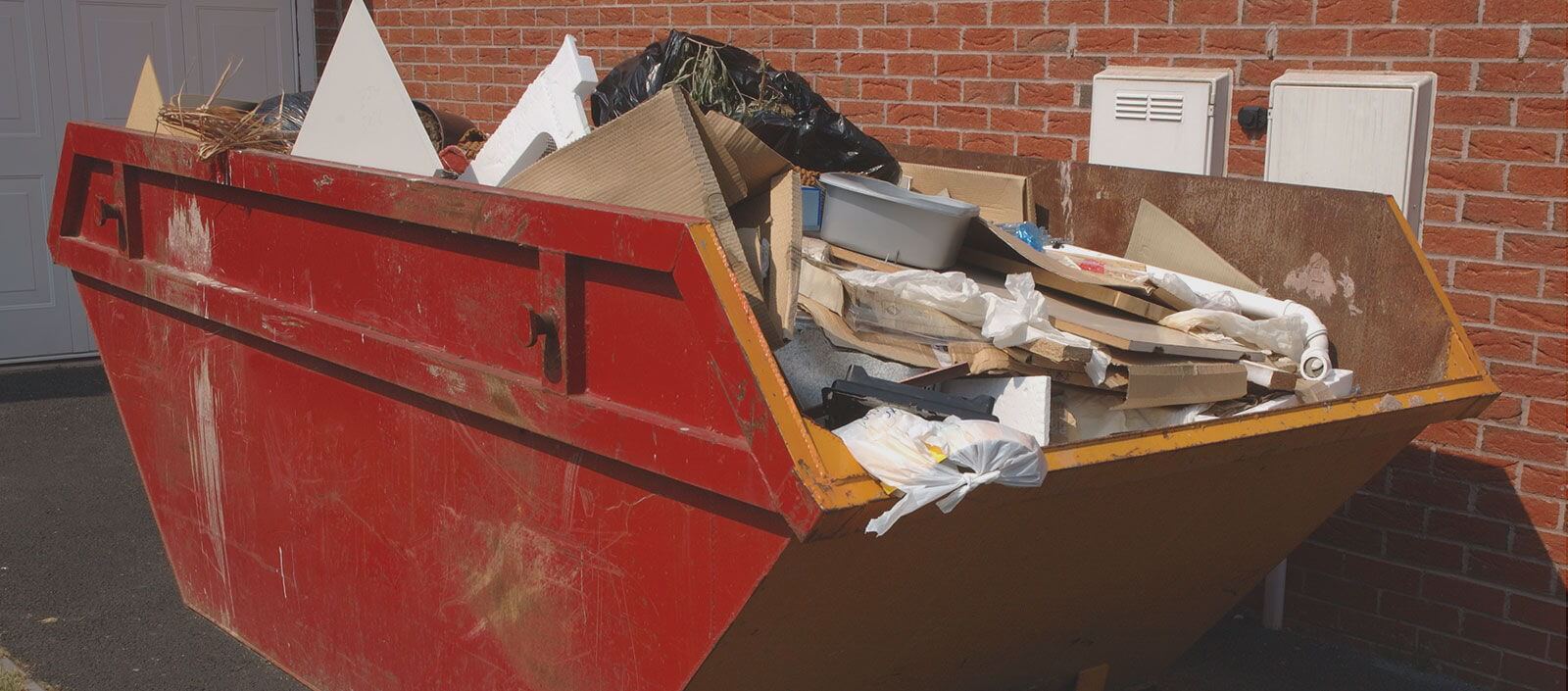
Fines for fly tipping in Maida Vale and waste disposal law
Posted on 30/07/2026
Fines for fly tipping in Maida Vale and waste disposal law: what residents, landlords and businesses should know
Fly tipping is one of those problems that can make a street look tired overnight. One bag left near a wall, a broken wardrobe dumped beside a parked car, a pile of builders' rubble tucked behind a railing - suddenly a tidy Maida Vale road feels neglected. And the uncomfortable bit? Fines for fly tipping in Maida Vale and waste disposal law can affect more people than just the person who dumped the waste.
If you live, work, manage property, or run a business in Maida Vale, it pays to understand how waste disposal rules work, what counts as fly tipping, and how to avoid getting caught out by enforcement, complaints, or costly clean-up bills. This guide breaks it down in plain English, with practical steps you can actually use. No legal jargon soup. Just the useful stuff.
It also helps to know the wider local context. Maida Vale is a busy residential area with flats, conversions, basement properties and shared access routes, so waste can become awkward fast. If you want a broader feel for the area, you may also find this local guide to living in Maida Vale useful, especially if you are dealing with shared bins, move-outs, or flat clearances.
Why Fines for fly tipping in Maida Vale and waste disposal law Matters
Let's face it: waste feels like a small issue until it becomes a big one. In a place like Maida Vale, where streets are often compact, parking is tight, and neighbours notice everything, even a single dumped mattress can trigger a chain reaction of complaints. It can block pavements, attract more dumping, and create tension between residents who just want the street kept clean.
From a legal point of view, fly tipping is not just "messy behaviour". It is a breach of waste law and can lead to enforcement action, fixed penalties, or prosecution depending on the circumstances. The actual outcome depends on the facts - what was dumped, where, who is responsible, and whether there is evidence tying a person or business to it.
This matters for three reasons:
- Financial risk: the fine may be only part of the bill; removal and clean-up costs can follow.
- Reputation risk: for landlords, managing agents and businesses, a waste issue can quickly become a trust issue.
- Practical risk: once one item appears, more waste often follows. It's maddening, but true.
There is also a nearby practical layer to think about. Maida Vale homes often generate awkward waste streams: old furniture from a flat, bagged waste from a renovation, or bulky items that will not fit neatly into standard bins. If that waste is left outside "just for a bit", it can become a fly-tipping report very quickly. For bulky or mixed loads, a planned clearance is usually safer than improvising. A good starting point is to look at the service options overview so you can match the waste type to the right disposal route.
How Fines for fly tipping in Maida Vale and waste disposal law Works
In simple terms, the law expects waste to be stored, moved and handed over responsibly. If waste is left on land without permission, or transferred to someone who is not properly authorised, that can become a fly-tipping or duty-of-care issue. The exact legal outcome depends on whether the matter is treated as illegal dumping, poor storage, unauthorised disposal, or a breach of waste transfer responsibilities.
In practice, the process often looks like this:
- Waste appears in the wrong place. This could be on a pavement, alleyway, communal courtyard, roadside, or private land.
- Evidence is reviewed. Officers, property managers or landowners may look for labels, invoices, CCTV, vehicle details, or identifying documents.
- Responsibility is assessed. The person who dumped it is the obvious target, but landowners and businesses can also face consequences if their waste handling was careless.
- Enforcement follows. That may mean a fixed penalty, a warning, a requirement to remove waste, or a prosecution route in more serious cases.
The tricky bit is that a fine is not always the only cost. If your waste ends up being investigated, you may have to show who collected it, where it came from, and whether it was handed to a legitimate carrier. That is why paperwork matters. Not glamorous, I know. But useful.
For businesses and landlords, the practical expectation is straightforward: keep records, use a licensed carrier, and do not assume "someone else sorted it". If the waste came from your premises or your activity, the trail can come back to you.
If your concern is whether a collector is actually compliant, it is worth reading the company's own notes on waste carrier licence and compliance. That is the sort of detail people often skip until they need it - and by then, it is late in the day.
Key Benefits and Practical Advantages
Getting disposal right is not only about avoiding penalties. It makes day-to-day life easier. You sleep better, the street stays cleaner, and you are not left wondering whether that old sofa will come back to haunt you in the form of a complaint letter.
- Lower risk of fines: a proper disposal route reduces the chance of enforcement action.
- Cleaner kerbside and shared areas: especially important in blocks, terraces and narrow access roads.
- Better neighbour relations: no one enjoys living beside a growing rubbish pile.
- Stronger proof of compliance: useful for landlords, agents, companies and trades.
- Less stress during clear-outs: house moves and refurbishments are hectic enough already.
There is a commercial upside too. If you manage a rental, sale or business premises in the area, tidy waste practices support the property's presentation. That can matter whether you are preparing for tenants, buyers, or a valuation. If you are thinking about property movement in the area, the property sales in Maida Vale article is a good reminder of how presentation and compliance often go hand in hand.
And here is the practical bit people overlook: the right waste method often costs less overall than the wrong one. A cheap shortcut can end up being the expensive option once the clearance, penalty and time loss are all counted together.
Who This Is For and When It Makes Sense
This topic is relevant to more people than you might think. In Maida Vale, the mix of flats, mansion blocks, converted houses and busy businesses means waste responsibility can get blurry very fast.
You are likely to need this guidance if you are:
- a homeowner clearing a loft, garden, basement or spare room;
- a tenant leaving behind bulky items or dealing with move-out waste;
- a landlord or letting agent managing communal rubbish and end-of-tenancy clearances;
- a business owner dealing with packaging, office furniture or commercial waste;
- a contractor handling builders' waste, strip-out debris or renovation rubble;
- a resident who has seen fly tipping near a bin store, alleyway or street corner.
It also makes sense to pay attention if your waste is awkward to move. Think heavy appliances, broken furniture, or bags that have to pass through basement stairs. For those kinds of jobs, a planned collection often saves hassle. If that sounds familiar, basement access problems for Maida Vale rubbish clearances is a useful read because access can change the whole job.
To be fair, many people only start thinking about waste law once there is a problem. That is normal. But if you are about to move, renovate, clear a property, or book a skip, the right time to check the rules is before the waste appears. Not after.
Step-by-Step Guidance
If you want to stay out of trouble, the safest approach is to treat waste disposal as a process, not an afterthought. Here is the cleanest way to handle it.
- Identify the waste type. Separate general rubbish, bulky items, builders' waste, garden cuttings, electricals and hazardous items. Different loads may need different handling.
- Check where it is coming from. Household waste, trade waste and office waste should not be mixed carelessly. That can create compliance issues later.
- Choose a legitimate disposal route. Use your council service, a licensed waste carrier, or another approved method suitable for the load.
- Keep proof. Save collection notes, invoices, dates, photos and any carrier details. Boring paperwork now, less drama later.
- Place waste properly. Do not leave bags, boxes or furniture on public land "temporarily" unless you are following a collection arrangement that allows it.
- Watch for delays. In busy parts of Maida Vale, access, parking, traffic and timing can affect collections. Plan a buffer if needed.
A real-world example: someone clearing a flat near Warwick Avenue might stack a sofa, a wardrobe and a few sacks in the entrance hallway, then decide to leave them by the street the night before collection. That may feel practical. It can also become visible public waste and trigger a complaint. Slightly annoying? Yes. Avoidable? Also yes.
If you are comparing disposal options, some readers find it helpful to look at common local logistics first. For example, skip alternatives and rubbish services in W9 can clarify when a skip is not the best fit. And if you are unsure about council-facing rules, Westminster Council rubbish rules for Maida Vale homeowners is the kind of local context that saves time.
Expert Tips for Better Results
Here are the habits that make the biggest difference in real life.
- Photograph the waste before collection. Especially useful for landlords, agents and businesses.
- Confirm the carrier is legitimate. It takes a minute and can save you a headache.
- Ask how mixed waste will be sorted. Some loads contain recyclables, reusable items and disposal-only material.
- Book enough capacity first time. Underestimating a clear-out usually creates extra trips.
- Think about access early. Narrow mews, basement steps, shared halls and parking restrictions can all slow things down.
One small but useful tip: if you are clearing a flat in the evening, do it before the street gets busy with parked cars. By morning, the same pavement can look very different. Timing matters more than people expect.
And here is the underrated bit - choose a service that explains things clearly. If a provider is vague about loading, access, timing, or what happens to the waste, that vagueness usually shows up somewhere else too. Not always, but enough to be worth noticing.
For pricing transparency, it helps to review how to avoid hidden rubbish removal charges in Maida Vale before you commit to anything. Waste law is one part of the picture; surprise fees are the other nuisance people rarely budget for.

Common Mistakes to Avoid
Most fly tipping cases are not the result of someone setting out to cause trouble. They come from shortcuts, assumptions, or someone saying, "It'll be fine just for tonight." Usually, it isn't.
- Leaving waste beside a bin store or wall. If it is not in the right place for the right collection, it can count as dumped waste.
- Handing waste to an unverified carrier. If they dump it, the paper trail may point back to you.
- Mixing business waste with household rubbish. This creates a compliance mess and can lead to extra costs.
- Assuming a skip solves everything. In some streets, permits and placement issues make skips inconvenient or impractical.
- Ignoring bulky items after a move. Sofas, wardrobes and appliances are common fly-tipping triggers because they are hard to move last minute.
There is also a psychological mistake people make: they assume "someone else will sort it" because the street looks tidy already. That works right up until it does not. And then everyone notices.
If you are dealing with furniture, white goods or a bigger household clearance, use the right disposal route instead of hoping a bag cluster will disappear. The pages on furniture removal in Maida Vale, white goods and appliance disposal and house clearance in Maida Vale are sensible starting points when a job is too big for standard bins.
Tools, Resources and Recommendations
You do not need a giant toolkit to stay compliant. A few simple habits and records go a long way.
- Photo log: before and after pictures of waste loads and clearances.
- Document folder: keep invoices, job notes, carrier details and collection dates together.
- Simple sorting system: separate recyclables, reusable items and true waste early.
- Access notes: record door widths, basement stairs, lift restrictions and parking constraints.
- Booking notes: write down what was agreed, especially for mixed or bulky loads.
Where a job is more than a simple bin lift, it can help to look at practical service categories rather than treating everything as "rubbish". For example, rubbish collection in Maida Vale suits smaller household loads, while commercial waste removal is the better fit for business premises. If you are managing a renovation, builders waste disposal in Maida Vale is the category to look at instead of treating rubble like ordinary household rubbish.
For people who prefer cleaner, lower-friction disposal decisions, the company's recycling and sustainability information is also useful. Waste disposal law is not only about penalties; it is about handling materials responsibly and reducing avoidable landfill.
Law, Compliance, Standards, or Best Practice
Because this topic touches law and enforcement, it is worth being careful. The exact rules can vary by situation, and enforcement outcomes depend on evidence and context. So the safe way to think about it is this: if you create, carry or arrange waste, you should be able to show that it was handled lawfully.
In normal UK practice, that means:
- do not dump waste on public land or private land without permission;
- use a legitimate carrier for transport and disposal;
- keep records that show where the waste went;
- take extra care with commercial, trade and construction waste;
- be cautious with items that need special handling, such as appliances or mixed renovation waste.
Landlords and managing agents should be especially attentive. If waste appears around a block or in a shared access area, the issue can quickly become a building-management problem, not just a one-off mess. The practical question is often not "Who do we blame?" but "How do we stop this happening again?"
For that reason, a documented routine is best practice. Even basic things like confirming collection windows, storing bulky waste out of sight where lawful, and using the right service type can reduce disputes. If you want an overview of the business side of working with a waste partner, about us and the company's insurance and safety information can help build confidence before booking.
And a small but important reminder: if you are ever unsure whether waste should be bagged, separated, stored temporarily or removed immediately, treat uncertainty as a sign to pause. A quick check is cheaper than a messy assumption.
Options, Methods, or Comparison Table
Different waste situations need different solutions. Here is a simple comparison that helps people choose the right route without overthinking it.
| Option | Best for | Pros | Watch-outs |
|---|---|---|---|
| Council collection / local bin services | Routine household waste and standard collections | Simple, familiar, usually cost-effective | Limited capacity; not ideal for bulky or mixed loads |
| Licensed waste removal service | Bulky items, mixed loads, urgent clearances | Flexible, quicker, can handle access challenges | Need to confirm scope, pricing and compliance |
| Skip hire | Renovation waste, ongoing projects, larger volumes | Convenient on longer jobs | May involve permits, space issues and street logistics |
| Ad hoc dumping or "leave it for later" | Nothing, really | None | Highest risk of fines, complaints and repeat dumping |
For many Maida Vale residents, the choice comes down to access and speed. A basement flat, shared courtyard or tight street may make skip placement awkward. In those situations, a collection-based approach often fits better. If you are weighing up skip-related logistics, permit requirements for skip hire in Maida Vale W9 is a sensible read before you book anything heavy-duty.
Case Study or Real-World Example
Picture a fairly typical Maida Vale scenario. A homeowner finishes a refurbishment in a Victorian conversion and has old skirting, broken shelving, a mattress and several bags of mixed waste left over. The hallway is narrow. The front steps are awkward. It is raining, of course - because London likes a bit of theatre.
They have two choices. One is to leave the waste outside "just until morning" while they look for transport. The other is to arrange a proper removal with a carrier who can take the mixed load in one go. The first choice looks easier for about ten minutes. The second choice avoids the kind of complaint that can become a fly-tipping investigation if items are left in public view.
In practice, the second route usually wins because it solves several problems at once:
- the waste leaves the property quickly;
- there is less risk of neighbour complaints;
- the homeowner has records of the disposal;
- the job is handled by someone used to access challenges.
A similar logic applies to landlords clearing end-of-tenancy items, offices replacing furniture, or tradespeople finishing a job with rubble and packaging still on site. For bulky one-off loads, a service that understands local access can be far more efficient. If you are dealing with a flat clearance or a wider property clear-out, the most relevant route may be loft clearance or office clearance, depending on the setting.
Practical Checklist
Use this checklist before you leave waste anywhere or hand it to a collector.
- Have I identified the exact type of waste?
- Is it household, trade, garden, bulky or electrical waste?
- Have I chosen a legitimate disposal route?
- Do I have any proof of booking or collection?
- Is the waste currently on private property, not public land?
- Will the collection happen within the agreed time window?
- Have I checked for access problems, parking limits or narrow stairways?
- Do I know what will happen to the waste after collection?
- Have I separated reusable items from genuine waste where practical?
- If I am a landlord or business owner, have I saved the relevant records?
One line to remember: if you cannot explain where the waste came from and where it is going, you are not ready to leave it out.
Get a free quote today and see how much you can save.
Conclusion
Fines for fly tipping in Maida Vale and waste disposal law are really about one thing: keeping waste traceable, lawful and under control. If you live or work in the area, the safest approach is not complicated. Sort waste properly, use a legitimate route, keep records, and do not leave items out where they can be treated as dumped waste.
That simple discipline protects you from unnecessary stress, keeps your street looking better, and makes life easier for everyone around you. And in a neighbourhood like Maida Vale, where good presentation and decent neighbourly habits matter, that is no small thing.
When waste is handled well, it fades into the background - which is exactly what waste should do. Quietly gone, job done, no drama. Lovely, really.

 Tipper Van - Waste Removal and Waste Removal Prices in Maida Vale, W9
 Luton Van - Waste Removal and Waste Removal Prices in Maida Vale, W9