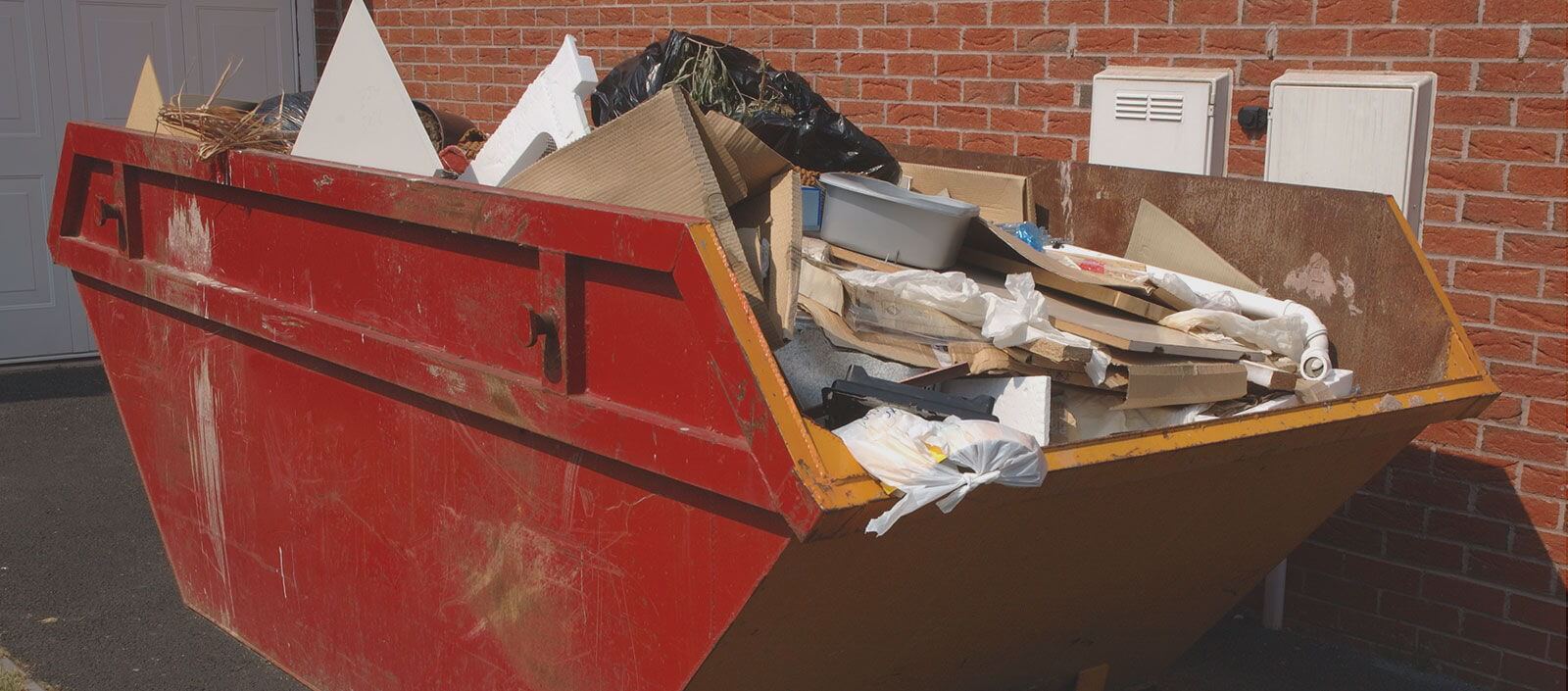
Little Venice waste clearance options near Maida Vale
Posted on 23/05/2026
Little Venice Waste Clearance Options Near Maida Vale: A Practical Local Guide
If you are comparing Little Venice waste clearance options near Maida Vale, you are probably dealing with one of those jobs that looks simple at first and then quickly becomes a bit of a faff. A flat needs clearing. A sofa will not fit down the stairwell. A builder has left rubble behind. Or maybe you are just trying to get a handle on a growing pile of mixed rubbish before it becomes one more thing hanging over your weekend.
Whatever the situation, the good news is that there are sensible ways to handle waste clearance locally. Some are faster, some are cheaper, and some are better for heavier, awkward, or time-sensitive jobs. The best choice depends on what you need removed, how urgently you need it gone, and whether access around Little Venice and Maida Vale is straightforward or not. This guide walks through the practical options, what to watch for, and how to choose the right service without overpaying or making life harder than it needs to be.
For readers who want a broader sense of the area before booking anything, the local context can be helpful too. Maida Vale and the surrounding streets have a very particular feel, and if you want a quick refresher on that, the article about Maida Vale's quieter side gives a useful picture of the neighbourhood.

Why Little Venice waste clearance options near Maida Vale Matters
Waste clearance in this part of London is not just about getting rid of things. It is about solving a logistics problem in an area where access can be tight, parking can be limited, and many properties simply are not built with bulky waste in mind. That matters whether you are clearing a basement flat, a period mansion block, a mews property, or a small business space near the canal.
In Little Venice and Maida Vale, the details can change the job quite a lot. A sofa that looks manageable in a photoshoot-ready living room can become a nightmare once you realise it has to pass a narrow hall, a bend on the stairs, and a front door that barely opens wide enough. Truth be told, that is where a lot of people decide they need help.
It also matters because the wrong clearance choice can lead to avoidable problems: missed collection windows, extra lifting costs, fly-tipping risks, or waste that should have been separated but instead goes in one mixed pile. For households, landlords, letting agents, and local businesses, a clear plan saves time and removes a lot of stress.
There is another reason too. Little Venice and Maida Vale have a strong residential character, and people often want waste removed discreetly, quickly, and with minimal disruption. No one wants bins overflowing on the pavement or a builder's skip sitting outside for longer than necessary. If you are coordinating a bigger move or a refurbishment, it may also be useful to compare related support such as house clearance in Maida Vale or office clearance services depending on the type of space involved.
How Little Venice waste clearance options near Maida Vale Works
Most waste clearance jobs follow a similar pattern, although the exact service will vary depending on the provider and the type of waste. At a basic level, you identify what needs removing, get a quote, choose a collection time, and have the items taken away for sorting, recycling, or disposal.
In practical terms, the process often looks something like this:
- You describe the waste - this can be a single item, a roomful of furniture, mixed household rubbish, garden cuttings, office contents, or builders' debris.
- You share access details - things like floor level, lift access, parking restrictions, narrow entrances, or whether the team will need to carry items a long distance.
- You receive a quote - usually based on volume, weight, type of waste, access difficulty, and whether any special handling is required.
- The collection is arranged - often with a time window that fits around your day, which is helpful if you are working from home or coordinating with tenants.
- The waste is loaded and sorted - reusable, recyclable, and landfill-bound materials should be handled appropriately.
- Documentation or confirmation is provided - a professional operator should be transparent about what was taken and how it is being handled.
For example, a homeowner in a top-floor flat near the canal might need a combination of furniture removal, appliance disposal, and a few black bags of mixed rubbish. A different customer a few streets away may only need garden waste taken after a tidy-up. Same postcode area, very different job. That is why accurate descriptions matter.
If your clearance involves mixed household waste or routine small-load collections, you may also find rubbish collection in Maida Vale or domestic waste collection a better fit than a larger clearance service.
Key Benefits and Practical Advantages
Choosing the right waste clearance option is not only about convenience. The best services tend to make the whole process feel lighter, cleaner, and more predictable. That sounds obvious, but in real life it makes a huge difference.
- Less disruption - items are removed in one visit instead of sitting around for days.
- Better for awkward access - useful where parking, stairs, or narrow hallways make self-clearance difficult.
- Safer handling - heavy lifting, broken items, and sharp waste are dealt with more carefully.
- More efficient sorting - professionals are more likely to separate recyclable materials, reusable furniture, and specialist waste.
- Cleaner finish - once the job is done, you are left with a space that feels usable again. That's the real payoff.
There is also a mental benefit that people often underestimate. Clearing a space can quickly shift from "I should sort that out" to "I can finally think straight again." Especially in small flats or busy rented homes, a cleared room can change how the whole place feels. A little less clutter, a little more breathing space. Simple, but powerful.
For landlords and agents, the practical advantage is just as clear: faster turnaround between tenancies, fewer complaints from neighbours, and a property that presents better. If you are dealing with an end-of-tenancy or pre-sale refresh, related services such as furniture removal and furniture disposal can save a lot of back-and-forth.
Who This Is For and When It Makes Sense
Waste clearance near Little Venice is useful for a wider range of people than many realise. It is not only for big renovations or complete house clearances. Often it is the smaller, messier situations that make the biggest difference when handled properly.
This kind of service makes sense if you are:
- moving home and need last-minute clutter removed
- clearing a rented property between tenants
- getting rid of old furniture or broken appliances
- tidying after decorating, refurbishment, or building work
- emptying a loft, storage room, or spare bedroom
- preparing an office or shop unit for handover
- sorting a garden after a seasonal cleanup
In practical terms, there are three common triggers: time pressure, awkward items, and too much mixed waste to handle with council bins or your own vehicle. If any of those sound familiar, you are probably already in the right territory.
And if the waste is a mix of bulky and general items, a broader waste removal service in Maida Vale may be the simplest route. For more specific jobs, the service should match the load, not the other way round. That sounds obvious, yet people still try to make one service fit everything. Usually ends in a headache.
Step-by-Step Guidance
If you want a smooth clearance, the best approach is to prepare the job before collection day. You do not need to turn into a project manager, but a little structure helps more than people expect.
1. Separate the waste by type
Keep furniture, electrical items, garden waste, builders' waste, and general rubbish apart if you can. It speeds up quoting and helps avoid surprises when the team arrives. A bag of mixed rubbish is one thing; a pile containing plasterboard, timber, and a fridge is another.
2. Make access as clear as possible
Move small items away from hallways, unlock gates if needed, and make sure the collection route is safe. In a tight staircase or communal building, this can save time and reduce the chance of damage. If you have a concierge or building manager, let them know in advance. A quick heads-up goes a long way.
3. Be honest about volume
People often underestimate how much space their waste takes up. It is easy to do. We all look at a pile and think, "That's not too bad," until it fills a van halfway. Sending a few photos usually gives a far better idea than describing it in general terms.
4. Mention anything unusual
Special items might include mattresses, white goods, broken glass, construction debris, or awkwardly large furniture. If you are clearing an appliance, a specific service such as white goods and appliance disposal is often the more suitable route.
5. Confirm the timing and finish
Ask when the team expects to arrive, how long the job should take, and whether sweeping up is included. Those small details matter, especially if you need the space ready for viewing, cleaning, or another contractor.
A short real-world example: imagine a couple clearing a flat in Little Venice after redecorating. They have an old sofa, a damaged bookcase, several paint tins, and a bag or two of mixed rubbish. They could spend a whole day loading a car, parking, driving, unloading, and then figuring out disposal. Or they could arrange one collection, keep their Saturday free, and get on with life. Not glamorous. Just sane.
Expert Tips for Better Results
After enough local clearances, a few habits stand out. They are not dramatic, but they do make the process easier and often cheaper.
- Get photos ready before you enquire. Two or three clear images beat a long message every time.
- Clear the most difficult access points first. A blocked hallway slows down the whole job.
- Separate reusable items. If something can be donated or resold, say so early. Don't just bury it in the pile.
- Choose the right service level. A full house clearance is not always needed when a smaller rubbish collection will do.
- Ask about recycling. A decent operator should be able to explain how waste is sorted and what happens next.
- Book around your own day, not against it. If you are trying to clear a flat while also working, doing school pickup, and taking three calls, it gets messy fast.
One useful local habit is to think about the final destination of the space. Are you trying to hand the keys back, sell the property, relaunch the room as a home office, or just make the flat feel liveable again? That answer should guide the kind of clearance you book.
For a more structured overview of the services available, the services overview page is a sensible place to compare options before you decide.

Common Mistakes to Avoid
Most waste clearance problems are preventable. The tricky part is that the mistake usually happens before anyone starts lifting anything.
- Assuming everything can go in one pile. Mixed waste can be harder and more expensive to process.
- Forgetting about access. A job can look small until a lift is out of service or a narrow doorway slows things down.
- Leaving it until the last minute. That is how people end up paying more or compromising on timing.
- Not checking what is excluded. Some items may need separate handling.
- Using an unverified operator. This one matters more than people think, and it can become your problem if waste is handled badly.
Another common mistake is over-ordering a large clearance for a small job. If all you need is a few pieces of furniture taken away, a dedicated removal service may be simpler and more cost-effective than a full clearance. The reverse can also be true. If the property is full from end to end, trying to piece it together with several small collections is usually false economy.
And yes, there is also the classic mistake of putting off the decision while telling yourself the "pile in the corner" is temporary. It rarely is. It sort of settles in and becomes part of the room.
Tools, Resources and Recommendations
You do not need specialist equipment to prepare for waste clearance, but a few simple tools make the process easier and safer.
- Heavy-duty bin bags for mixed household items and lighter rubbish
- Gloves for handling broken or dusty materials
- Tape and labels to mark items that are staying versus going
- A phone camera for taking clear photos of the load
- Trolley or sack truck if you are moving items short distances internally
- Basic cleaning supplies for a quick tidy after the load is removed
On the service side, useful resources include pricing information, compliance details, and recycling guidance. If you want to understand how a provider approaches value and billing, have a look at the pricing and quotes page. For peace of mind on secure and trustworthy transactions, the payment and security page is also worth checking.
If environmental handling matters to you, and for a lot of people in this area it does, then recycling and sustainability explains the general approach a responsible operator should take. That reassurance matters. Nobody wants their old wardrobe or broken appliance disappearing into a black box.
Law, Compliance, Standards, or Best Practice
Waste clearance in the UK sits inside a practical compliance framework, even when the job itself feels straightforward. The main thing for customers is not to become a legal expert, but to choose a provider that handles waste properly and can explain what they are doing.
As a rule, you should look for the following:
- Waste carrier registration - a legitimate operator should be able to show that they are authorised to transport waste.
- Responsible disposal routes - waste should be sorted, recycled where possible, and disposed of correctly.
- Clear pricing and terms - you should know what is included and what could affect the final cost.
- Safe manual handling - lifting, carrying, and loading should be done carefully to reduce risk.
- Appropriate handling of special waste - items such as electricals, plasterboard, or damaged appliances may need special treatment.
The key point is simple: if something feels vague, ask. A reputable service should be able to explain where the waste goes, whether the job is insured, and what their process looks like. If you want a closer look at that side of things, the page on waste carrier licence and compliance is a useful reference.
Insurance and safe working practices matter too, especially in tight communal buildings or when moving heavy loads through shared entrances. You can read more on insurance and safety if you want to understand what a careful, properly run service should be thinking about.
Options, Methods, or Comparison Table
Different clearance needs call for different solutions. The table below gives a simple, practical comparison to help you choose without overcomplicating it.
| Option | Best for | Strengths | Watch-outs |
|---|---|---|---|
| Small rubbish collection | Bags, small mixed loads, quick tidy-ups | Fast, simple, often ideal for one-off clutter | Not always the best fit for bulky or heavy items |
| Furniture removal | Sofas, wardrobes, beds, desks | Good for awkward lifting and large items | Access and dismantling may affect timing |
| House clearance | Full or partial property clear-outs | Comprehensive, efficient, suitable for bigger projects | Needs more planning and clearer item sorting |
| Builders waste disposal | Renovation debris, rubble, timber, packaging | Designed for construction-related waste | May require careful separation of materials |
| Office clearance | Business furniture, filing, equipment | Useful for end-of-lease or reconfiguration work | Data-bearing items may need extra thought |
For a renovation project, builders waste disposal is usually the more sensible route than a general rubbish booking. For a home clear-out, the reverse can be true. Matching the method to the waste type is one of the easiest ways to avoid paying for the wrong thing.
And if you are dealing with something large but fairly standard, like a sofa or dining set, furniture disposal in Maida Vale can be much more direct than a broader clearance. Simple solution, no drama.
Case Study or Real-World Example
Here is a realistic example based on the sort of jobs that come up often around Little Venice and Maida Vale.
A landlord needed a one-bedroom flat cleared between tenancies. The previous occupier had left a broken bed frame, a dining table, two chairs, a mattress, several black bags of household rubbish, and a couple of old kitchen items. The hallway was narrow, the property was on an upper floor, and the building had restricted parking outside. Instead of trying to move everything in stages over several days, the landlord arranged a single clearance with access details provided in advance.
What made the job smoother was not luck. It was preparation. The items were grouped by type, the lift access was checked beforehand, and the team knew to expect a tight stairwell. The result was a faster collection and far less disruption to neighbours. No one had to keep stepping around a half-cleared room for another week. That makes a bigger difference than you might think.
If the same property had also included a loft full of forgotten boxes, old holiday decorations, and broken furniture, then a dedicated loft clearance would likely have been added to the plan. In real life, these jobs often overlap.
The lesson is straightforward: the more accurately you describe the waste, the smoother the job usually goes. It is one of those unglamorous truths that just keeps being true.
Practical Checklist
Use this checklist before booking any Little Venice or Maida Vale clearance. It will save time, and probably a few sighs too.
- Take clear photos of all items to be removed
- List any bulky, heavy, or awkward pieces separately
- Note floor level, stair access, lift access, and parking restrictions
- Separate electrical items, furniture, garden waste, and builders' debris if possible
- Check whether anything needs special disposal handling
- Confirm whether the job is a partial clearance or a full clearance
- Ask how the provider handles recycling and reuse
- Review pricing, payment options, and any conditions before you book
- Prepare the route so the team can move safely and efficiently
- Keep the area clear for a final sweep-up once the waste is removed
If you are clearing a property ahead of a sale or new tenancy, you may also find the local property context useful. The posts on property sales in Maida Vale and living in Maida Vale add a helpful local lens, especially if you are making decisions around timing and presentation.
Practical summary: the best waste clearance option is the one that matches your load, your access, and your timeline. Get those three things right and the rest becomes much easier.
Conclusion
Choosing between Little Venice waste clearance options near Maida Vale does not need to be complicated. Start with the type of waste, think honestly about access, and pick the service that fits the job rather than trying to squeeze the job into the cheapest-looking category. That is usually where people save time, money, and frustration.
For small household loads, a quick rubbish collection may be enough. For awkward furniture or appliances, a targeted removal service can be the cleanest solution. For bigger projects, house clearance, office clearance, or builders' waste disposal will make more sense. The point is to choose with your actual situation in mind, not in theory. Nice and simple, really.
Get a free quote today and see how much you can save.
And if you want reassurance that you are dealing with a professional, transparent, and locally aware service, learn more about the team before you book. A well-handled clearance gives you back more than floor space. It gives you a bit of calm, which in London is no small thing.