Permit requirements for skip hire in Maida Vale W9
Posted on 06/07/2026
Permit requirements for skip hire in Maida Vale W9: what you need to know before booking
If you are planning a clear-out, renovation, or builders' job in Maida Vale, the last thing you want is a surprise from the council or a delay because the skip is not positioned correctly. The permit requirements for skip hire in Maida Vale W9 can feel like a small admin detail, but in practice they shape where the skip can go, how long it can stay, and whether your project stays on track. A lot of people only think about the size of the skip; truth be told, the bigger question is where it will sit and who is responsible for the paperwork.
This guide breaks everything down in plain English. You will learn when a permit is typically needed, how the process usually works, what common mistakes cause hassle, and when a skip may not even be the best option. If you are comparing waste solutions across the area, it may also help to look at our services overview and the page on waste removal in Maida Vale for alternatives that can save time in tighter streets.
- Why permit requirements matter
- How the skip permit process works
- Benefits of getting permits right
- Who needs a permit and who may not
- Step-by-step guidance
- Expert tips and local best practice
- Common mistakes to avoid
- Tools, resources and recommendations
- Law, compliance and standards
- Comparison of options
- Real-world example
- Practical checklist
- Conclusion
- Frequently asked questions
Why Permit requirements for skip hire in Maida Vale W9 Matters
Maida Vale is lovely, but it is not exactly a place where space is wasted. Residential streets, controlled parking bays, busy side roads, and the general rhythm of London life mean a skip can be awkward if it sits in the wrong spot. If the skip goes on a public road, permit requirements usually come into play because the skip is occupying part of the highway. That matters for traffic flow, parking, safety, and access for neighbours, delivery vans, emergency services, and pedestrians.
In practical terms, the permit is not just a box-ticking exercise. It helps prevent disputes and fines, and it makes it clear who is responsible for the skip while it is in place. Without that clarity, a straightforward kitchen rip-out can quickly become a headache. Nobody wants to finish a long day of clearing plaster, wood, and old cupboards only to discover the skip placement has created a problem with the council or with nearby residents.
For homeowners, landlords, builders, and business owners, understanding the permit question early keeps the project moving. It also helps you decide whether a skip is suitable at all, or whether a bag collection, man-and-van clearance, or a smaller on-street arrangement is simply the smarter call. If you are dealing with bulky items as part of a wider clear-out, our guides on house clearance in Maida Vale and office clearance in Maida Vale may be useful too.
Expert summary: If the skip is going on private land, permit issues may be minimal. If it is going on a public road, expect permit checks, placement rules, and possible time limits. The earlier you plan for that, the less likely you are to lose days waiting around.
How Permit requirements for skip hire in Maida Vale W9 Works
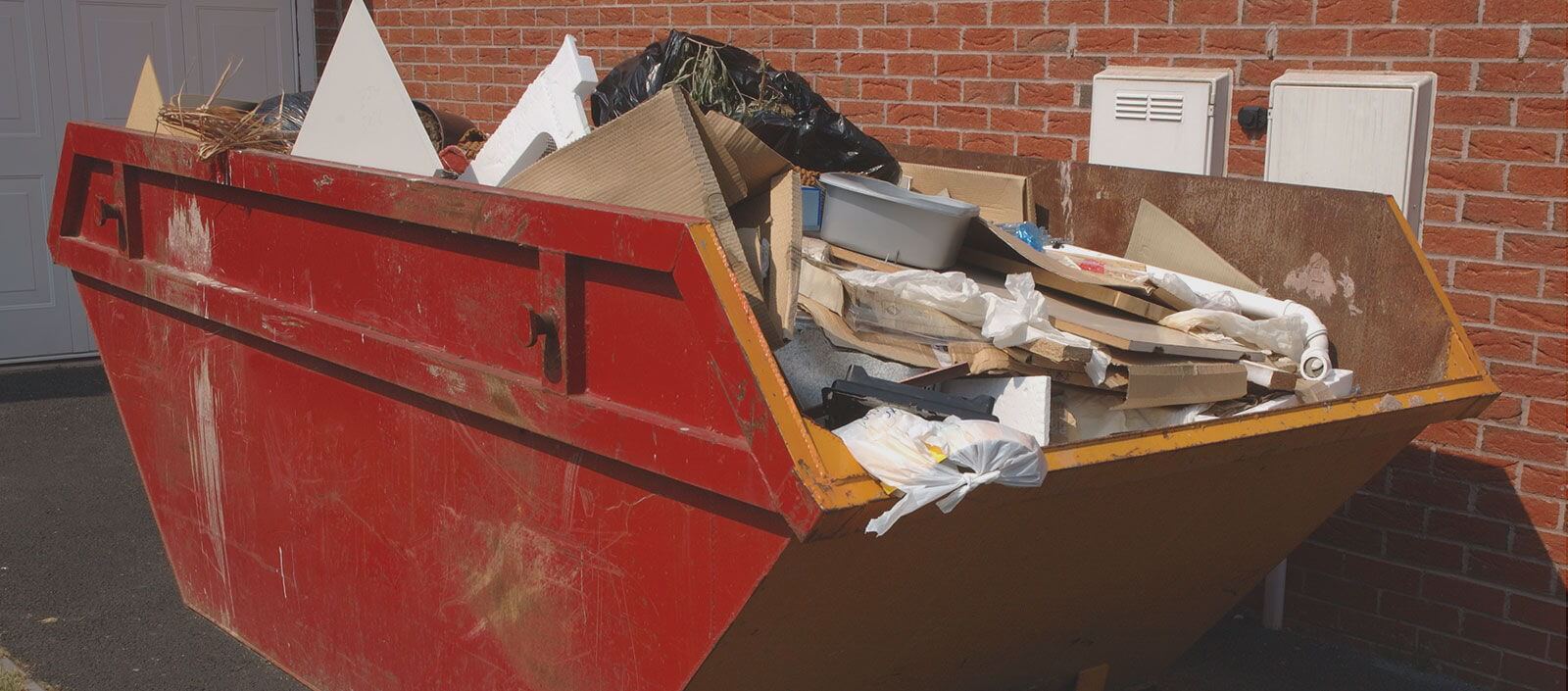
The basic principle is simple: if the skip is placed on public highway land, a permit is generally needed. If it is placed fully on private property, such as a driveway or private forecourt, a permit is usually not required. That said, the practical reality in Maida Vale is often a bit messier than the textbook version, because many homes do not have wide driveways or easy front-garden access.
Usually, the skip provider helps arrange the permit or advises you on what is needed. This is common practice because the provider understands the practical side of skip delivery, such as lorry access, visibility, and location constraints. In some cases, the council will want details of the skip size, exact position, duration, and whether safety measures like lights or cones are needed. Exact requirements can vary, so it is always wise to confirm them rather than assume.
One important point: the permit is tied to the placement, not the rubbish itself. You can have the cleanest load of builders' waste in the world and still need a permit if the skip sits on the road. That is why so many people underestimate the issue at the planning stage. They think about the debris, not the pavement.
If your property has awkward access, a basement entrance, or narrow steps, a skip may not be the easiest option anyway. In those situations, it can help to read about basement access problems for rubbish clearances and compare it with alternatives. Sometimes the waste removal truck can do the job more neatly than a skip sitting outside for days.
Key Benefits and Practical Advantages
Getting the permit side right sounds bureaucratic, but there are real benefits. The first is legal and practical peace of mind. If the skip is authorised and placed correctly, you are far less likely to face avoidable disruption. The second is neighbourly goodwill. In Maida Vale, where streets can feel close-knit and parking is already precious, a well-managed skip is much less likely to draw complaints.
There is also a money angle. Delays cost money. If a skip arrives and cannot be placed because the permit was not sorted in time, you may be paying for delivery rescheduling. If a skip over-stays the authorised period, that can create another round of admin. Small mistakes have a habit of snowballing. Let's face it, nobody starts a renovation hoping to spend half the morning on paperwork.
For builders and trades, permits can also improve workflow. A properly placed skip gives the team a predictable waste solution, which means fewer site interruptions and less loose waste around the property. For domestic jobs, it simply means less stress. You can work through the clear-out at your own pace rather than piling everything in the hallway and wondering where it will all go next.
If you are trying to budget carefully, the permit should be considered alongside the rest of the job. Our pricing and quotes page is a sensible place to start when comparing overall waste removal costs, especially if you are weighing up skip hire against a collected service.
Who This Is For and When It Makes Sense
Permit requirements for skip hire in Maida Vale W9 matter most for anyone who does not have enough private space for the skip to sit off-road. That includes many terraced homes, mansion blocks, smaller frontages, and properties where the pavement or kerbside is the only realistic location. It also matters for landlords clearing flats between tenancies, builders working on a frontage, and businesses tackling refurbishments in limited access streets.
You are more likely to need to think about a permit if the job involves:
- builders' waste from a kitchen, bathroom, or loft project
- bulky furniture or mixed household items
- garden waste from a larger tidy-up
- commercial waste from a refurbishment or fit-out
- a property with no driveway or enough off-road space
It may make less sense if you only have a small amount of rubbish, especially if it is the kind of load that can be collected quickly. For lighter clearances, a direct collection can be far more practical. That is why many people compare skip hire with services like rubbish collection in Maida Vale or domestic waste collection in Maida Vale before making a final decision.
There is no rule that says a skip is automatically the best answer. Sometimes it is. Sometimes it is not. A one-day clear-out in Little Venice, for example, may be easier with a collection vehicle than with a skip that blocks the road while you keep working around it.
Step-by-Step Guidance
-
Check where the skip will sit.
If it can fit entirely on your own land, you may avoid the permit issue. If it will go on the road, assume a permit will be needed and plan accordingly.
-
Confirm the access layout.
Measure the frontage, note low trees, parked cars, steps, railings, and any awkward bends. In Maida Vale, access is often the thing that catches people out rather than the waste volume itself.
-
Choose the right skip size.
A skip that is too small may need replacing; a skip that is too large may be harder to site safely. The sweet spot depends on the waste type and the available space.
-
Ask who arranges the permit.
Some providers handle the permit application, others expect the customer to do it. Clarify this before booking. It sounds obvious, but this is one of those details people miss when they are in a hurry.
-
Check how long the skip can stay.
Permits are usually linked to a period of use. If the job is likely to run over, build in a buffer from day one.
-
Plan the loading sequence.
Have waste ready before the skip arrives where possible. That cuts the time the skip sits out and makes the permit period easier to manage.
-
Keep the area safe and visible.
Depending on placement and conditions, you may need reflective markings, lights, or cones. A neat setup helps everyone, especially after dark in winter when visibility drops early.
-
Book removal or exchange on time.
Do not leave the skip to linger after the work is done. It sounds small, but late collection is one of the most common avoidable frustrations.
A practical approach is to start with the end in mind. What does the finished job look like, and what is the fastest way to get the waste out without upsetting parking, neighbours, or the schedule?
Expert Tips for Better Results
First, do not assume every street in Maida Vale is the same. Two houses apart can mean a completely different access problem. A road that looks broad at a glance may still be tricky for delivery because of parked cars, bends, or traffic flow. If you have ever watched a driver inching a skip lorry into place while someone holds their breath on the pavement, you will know what I mean.
Second, if you are not sure whether a permit is needed, ask before you book. Not after. It is one of those mundane questions that saves a surprising amount of trouble. A provider familiar with local operations will usually give you a straight answer quickly, and if they cannot, that tells you something too.
Third, consider whether a mixed waste load is the right route. Skip hire works best when the waste can sit safely for a little while. If you need same-day uplift or you are dealing with varied items such as furniture, appliances, and bagged rubbish, a dedicated clearance can be more efficient. For example, our pages on furniture disposal and white goods and appliance disposal may be more relevant for certain jobs.
Fourth, keep an eye on timing. Morning deliveries are often easier because parking and access are usually less chaotic. By late afternoon, a road can feel tighter, noisier, and harder to manage. Not always, but enough to matter. And yes, the weather changes everything in London; a rainy delivery day can make everyone grumpier than necessary.
Finally, read the waste rules carefully. Skips cannot be loaded with everything. If you are disposing of restricted items, mixed hazards, or unusually heavy materials, clarify that in advance. That is especially true for building jobs, where a load can look simple from a distance but be a bit of a mess up close.
Common Mistakes to Avoid
The most common mistake is leaving permit planning until the day before delivery. That sounds trivial, but it is the root of a lot of avoidable stress. Another frequent issue is assuming a permit is only needed if the skip is large. Size is not the deciding factor; placement is. A small skip on the road can still need permission.
People also forget to check whether the road space is actually usable. A permit may not help if the skip cannot be delivered safely because of parked vehicles or restricted access. In those cases, you may need to rethink the whole setup rather than pushing ahead and hoping for the best.
Other mistakes include:
- overfilling the skip above the rim
- mixing restricted waste without checking first
- failing to allow time for permit processing
- booking a skip that is too big for the available frontage
- ignoring the effect of neighbours, loading access, and pedestrian flow
One small but important point: a permit does not remove your responsibility to use common sense. If the skip is awkwardly positioned, partially obstructing access, or unsafe in bad light, it may still cause problems even if paperwork is in place. Compliance and practicality need to work together. That's the bit people sometimes miss.
Tools, Resources and Recommendations
You do not need a toolbox full of specialist equipment to handle skip planning well. A tape measure, a phone camera, and a simple site checklist can make a big difference. Take a couple of photos of the frontage and the access route. That helps you judge whether the skip can realistically fit and gives you a record if you need to discuss placement later.
Useful things to have ready include:
- approximate waste volume or a rough room-by-room list
- measurement of the available roadside or driveway space
- notes about low branches, lamp posts, railings, or parked-car pinch points
- the type of waste, especially if it includes builders' materials
- your preferred collection dates and any access restrictions
It can also help to review the wider waste service pages before deciding. If your project includes stripped-out fittings, our builders' waste disposal page gives a clearer sense of what a specialist removal service can handle. For smaller, more routine jobs, the waste removal in Maida Vale option may be more practical.
And a slightly old-fashioned tip: keep the details in one place. Email thread, quote, dates, access notes, permit responsibility. Everything. It saves you from that annoying moment where you are searching through messages while someone is asking where the skip is supposed to go.
Law, Compliance, Standards, or Best Practice
In the UK, placing a skip on a public road or other public highway typically brings permit and safety requirements into the picture. The exact rules can vary by local authority and by the location itself, so you should treat any general guidance as a starting point rather than a substitute for confirmation. In Maida Vale W9, the practical issue is usually less about the waste and more about the public space the skip occupies.
Best practice is straightforward: make sure the skip is authorised, clearly visible, and not obstructing access more than necessary. If lighting, reflective markings, or safety cones are needed, they should be arranged properly. The skip should also be managed by a responsible operator who understands waste handling and local placement expectations.
If you are hiring a company, it is sensible to check waste carrier compliance, insurance, and handling standards. Our waste carrier licence and compliance page explains why this matters. For day-to-day risk management, the insurance and safety information is worth a look as well.
There is also a wider duty of care around waste storage and disposal. Put simply, waste should not be left to create hazards, nuisance, or environmental issues. If a skip hire arrangement causes problems because it was poorly planned, the paperwork will not really save you from the inconvenience. Best practice is the thing that keeps the job calm.
Options, Methods, or Comparison Table
For many people, the real decision is not just "Do I need a permit?" It is "Is a skip the right method at all?" In Maida Vale, where space can be limited, the answer depends on access, waste type, and time pressure. Here is a simple comparison.
| Option | Best for | Permit needed? | Main upside | Main drawback |
|---|---|---|---|---|
| Skip on private drive/land | Homes or sites with enough off-road space | Usually no | Simple and convenient | Requires enough room and good access |
| Skip on public road | Properties without private space | Usually yes | Handles larger loads | Permit planning and possible delays |
| Man-and-van collection | Bulky items, mixed waste, quicker clear-outs | No skip permit usually | Flexible and fast | Less suitable for ongoing heavy waste |
| Specialist waste removal | House clearances, office jobs, targeted disposal | No skip permit usually | Less site disruption | May need scheduled labour and lifting access |
For example, a flat clearance near Warwick Avenue Station might be better handled with a collection service if the street is busy and access is tight. A longer renovation, on the other hand, may justify a skip if there is enough space and the permit is handled properly. It depends. Annoying answer, maybe, but it is the honest one.
Case Study or Real-World Example
Consider a typical Maida Vale scenario: a homeowner is renovating a bathroom and wants a skip outside the property for a week. The frontage is narrow, and there is no usable driveway. At first glance, the plan looks easy enough. But once measurements are taken, it becomes clear that the only viable location is the road. That changes the whole picture.
Instead of ordering the skip immediately, the homeowner checks access, confirms permit responsibility, and asks whether the provider can manage the application. They also look at the waste mix: tiles, old suite parts, packaging, and a little building rubble. It turns out the load is not huge, but it is awkward enough that a collection service would have meant several back-and-forth trips. The skip is still the right choice, but only after the permit timing and delivery window are sorted.
Now the important bit: because they planned ahead, the skip arrives on schedule, the street is kept clear as much as possible, and the work continues without fuss. No drama. No last-minute scramble. A small thing, really, but in a dense part of London that small thing saves the week.
If that sounds familiar, you are probably in the stage where careful planning matters more than choosing the cheapest option. That is especially true when your project sits near busy routes or residential parking pressure. Our article on Westminster Council rubbish rules for Maida Vale homeowners is a useful companion read for that wider context.
Practical Checklist
Use this quick checklist before you confirm a skip booking in Maida Vale W9:
- Have you confirmed whether the skip will be on private land or the public road?
- Have you checked whether a permit is needed for that exact position?
- Have you measured the available space and access route?
- Do you know who is arranging the permit?
- Have you allowed enough time for approval and delivery?
- Have you chosen the right skip size for the waste volume?
- Do you know what waste types are allowed?
- Have you checked whether lights, cones, or visibility markings are needed?
- Have you planned where the waste will come from and how quickly it will be loaded?
- Have you considered whether a collection or clearance service might be simpler?
If you can tick most of those off, you are in a much better position than most people at the booking stage. Honestly, that alone removes a lot of stress.
Conclusion
The permit requirements for skip hire in Maida Vale W9 are not difficult once you understand the basic rule: private land usually keeps things simple, while public-road placement usually brings permit planning into the picture. The tricky part is not the concept. It is the local reality of narrow streets, parking pressure, and access quirks that can turn a straightforward waste job into a slow-moving headache if you do not plan ahead.
Think about the site first, the waste second, and the timing third. If you do that, you will make a far better decision about whether a skip is the right fit, or whether a direct clearance service will be cleaner, faster, and less stressful. And if you are still weighing up the options, that is perfectly normal. A well-planned waste job is usually a calmer one.
Get a free quote today and see how much you can save.
Sometimes the best results come from the least dramatic plan, and in Maida Vale that is often the one worth choosing.