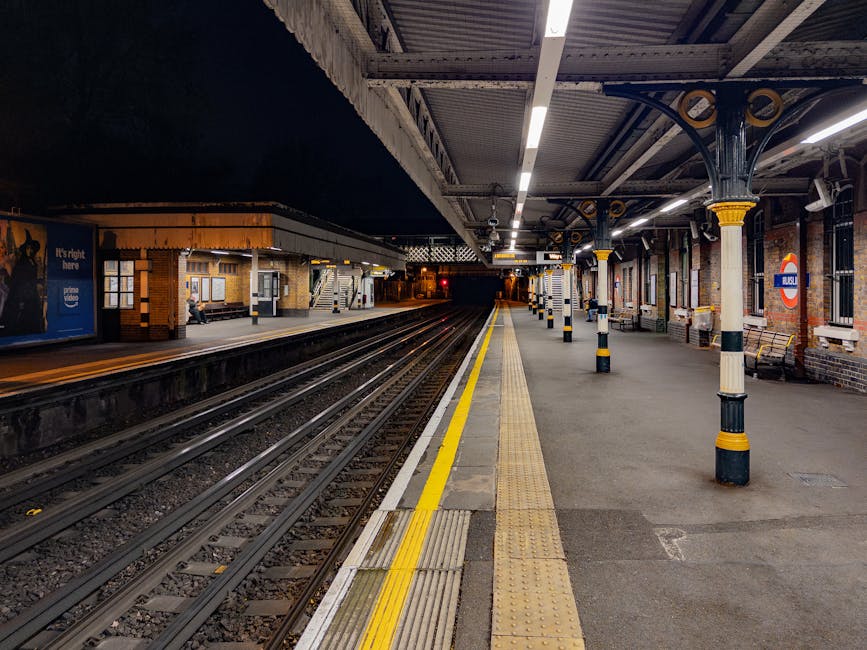
Warwick Avenue station bulky rubbish removal tips Maida Vale
Posted on 26/05/2026
If you're trying to shift bulky rubbish near Warwick Avenue station, you already know the tricky part: it's rarely just "a bit of junk." It can be a sofa that won't fit through the doorway, a mattress that needs careful handling, a broken wardrobe, or the contents of a flat after a move. Add Maida Vale's busy streets, parked cars, narrow access, and the general London shuffle, and suddenly the job feels bigger than it looked at first glance. These Warwick Avenue station bulky rubbish removal tips Maida Vale are here to make the whole thing feel less messy, less rushed, and a lot more manageable.
Below, you'll find practical advice on planning, sorting, lifting, timing, compliance, and choosing the right removal method for your situation. We'll also cover the common mistakes people make, what to check before booking help, and how to keep things safe and tidy if you're dealing with a tight stairwell or a narrow basement entrance. Truth be told, a good bulky waste job is mostly about preparation.
For broader support, it can help to look at the full range of waste removal services available in Maida Vale, especially if your bulky items are part of a larger clear-out rather than a one-off item.
Why Warwick Avenue station bulky rubbish removal tips Maida Vale Matters
Maida Vale has a particular rhythm. It's residential, elegant, and often busy in a quiet way that only London can manage. Around Warwick Avenue station, the mix of mansion blocks, townhouses, flats above shops, and narrow streets means bulky rubbish removal is rarely as simple as dragging something to the kerb. There may be access constraints, shared hallways, limited lift space, or no lift at all. And if you've ever tried moving a heavy chest of drawers down a stairwell on a damp morning, you'll know exactly why planning matters.
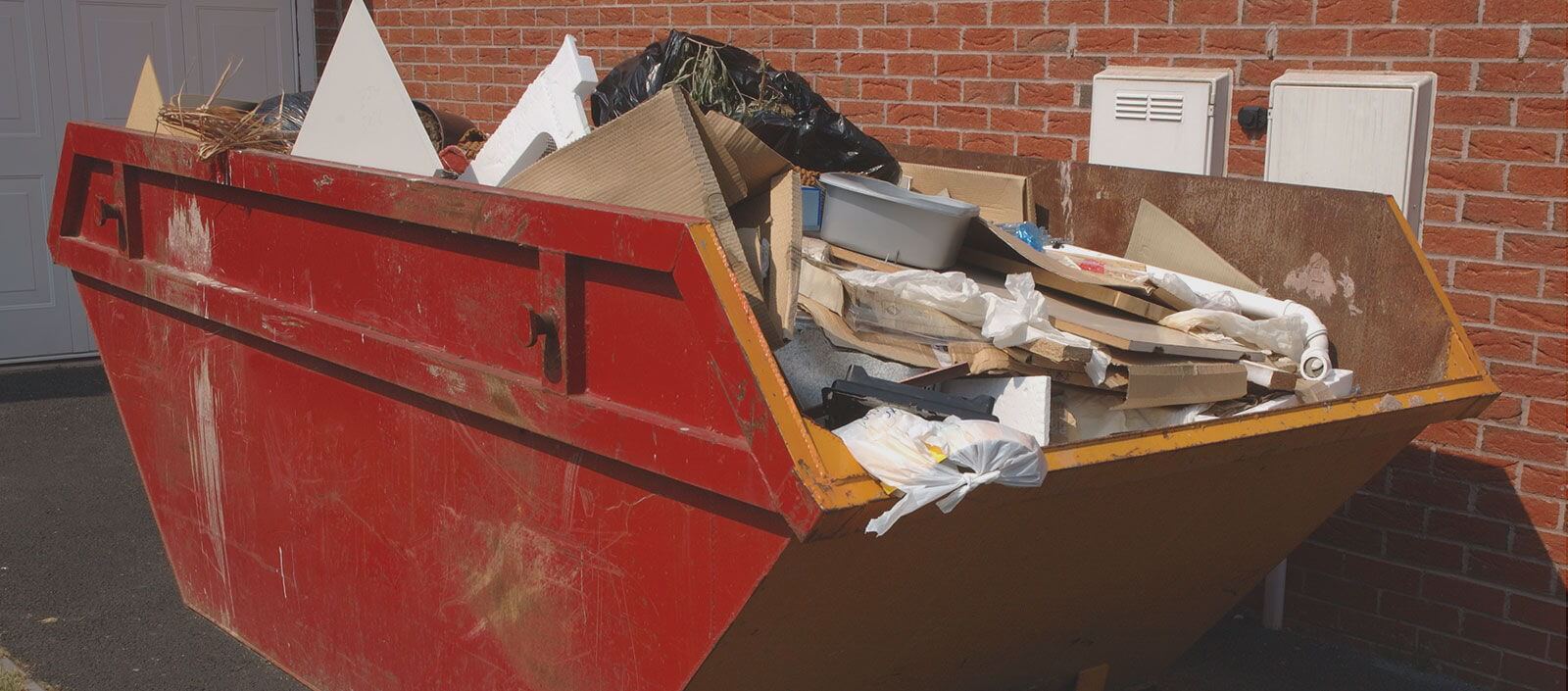
Bulky rubbish is not the same as everyday household waste. It usually includes items too large for normal bins, such as sofas, mattresses, wardrobes, desks, exercise equipment, and some white goods. In practical terms, this means more thought, more lifting risk, and more chance of causing damage if you rush it. That's why a local, street-aware approach works best here.
There's also the neighbourhood factor. A tidy entrance, minimal disruption, and sensible timing all matter more than people sometimes realise. A poor removal can block a shared passage, upset neighbours, or leave debris where pedestrians pass. A well-managed one looks almost effortless. Almost.
If you want to understand the wider local setting, the guide to living in Maida Vale gives useful context on the area's pace and housing types, while this Maida Vale overview helps explain why access and street management deserve a little extra thought.
How Warwick Avenue station bulky rubbish removal tips Maida Vale Works
In plain English, bulky rubbish removal works best when you break the job into three parts: identify the items, decide the removal route, and prepare the space. That sounds simple, but it's where most delays get avoided.
First, identify what you actually have. A sofa, mattress, broken desk, old fridge, dismantled wardrobe, and a pile of flat-pack offcuts are all different kinds of removal jobs. Some can be handled as general bulky waste, while others may need special handling because of weight, materials, or electrical parts. If there are carpets, boards, or renovation leftovers, you may be moving into builders waste disposal in Maida Vale rather than simple household clearance.
Second, choose the best route. For some households, the most practical option is a scheduled collection. For others, it's a same-day visit, especially if an estate agent, landlord, or letting agent needs the place cleared quickly. If the job is bigger than one or two large items, a more complete house clearance service may be more efficient than piecing everything together one item at a time.
Third, prepare the access. Measure door widths, stair turns, and any tight corners. Clear the path. Protect floors if the item is heavy or awkward. If the item needs dismantling, do that before removal day where possible. A few minutes with a screwdriver or Allen key can save a lot of stress later. Honestly, this is where the whole thing either goes smoothly or turns into a bit of a saga.
When the bulky waste is part of a broader domestic clear-out, services like domestic waste collection in Maida Vale or rubbish collection can be useful for mixing bulky items with smaller household waste in a single visit, provided the service scope fits your needs.
Key Benefits and Practical Advantages
The main benefit is obvious: you get space back. But the real advantages go further than that.
- Less physical strain: Heavy or awkward items are one of the easiest ways to injure a back, hand, or foot. Reducing manual handling risk is a big win.
- Cleaner access routes: Hallways, communal areas, and entrances stay clear, which matters in shared buildings.
- Less disruption for neighbours: A faster, better-planned removal is simply less annoying for everyone involved.
- Better recycling outcomes: Items can often be separated for reuse, recycling, or responsible disposal rather than sent out as a mixed heap.
- Faster property turnaround: This is especially useful before viewings, tenancy changes, repairs, or sale preparation.
There's another practical benefit that people sometimes miss: clearer decision-making. Once the bulky rubbish is dealt with, you can properly see what else needs attention. It's like pulling one awkward drawer out and suddenly noticing the whole room needs a reset. Slightly annoying, yes. But useful too.
If you're getting a property ready for the market, the related guides on property sales in Maida Vale and real estate investment tips for Maida Vale are worth a look because clearance timing can make a real difference to presentation and momentum.
Who This Is For and When It Makes Sense
Bulky rubbish removal near Warwick Avenue station is useful for more people than you might think. It's not just landlords or builders. In fact, a lot of the demand comes from everyday situations.
- Tenants moving out: You need to leave the place tidy and avoid end-of-tenancy issues.
- Homeowners decluttering: Old sofas, spare beds, and broken appliances can quickly pile up.
- Landlords and letting agents: A quick turnaround between occupiers often requires prompt removal of left-behind items.
- Executors or family members sorting a home: A sensitive clear-out after a life change often needs calm, careful handling.
- Small businesses and offices: Desks, chairs, filing units, and packaging waste can become bulky fast.
- Renovation projects: Old fittings, shelving, and offcuts can make a room feel chaotic very quickly.
So when does it make sense to bring in help? Usually when the item is heavy, awkward, time-sensitive, or too much for one person to handle safely. If you're looking at a fridge on a landing or a wardrobe that needs to be turned at a weird angle, you already know the answer. Do you really want to risk a chipped wall or a strained shoulder for the sake of "just doing it yourself"? Probably not.
For commercial situations, the dedicated commercial waste removal service and office clearance support can be more appropriate than a standard household solution.
Step-by-Step Guidance
Here's a straightforward way to handle bulky rubbish removal in Maida Vale without making a meal of it.
- List every item. Walk through the flat, basement, garage, or office space and note what needs removing. Be specific.
- Separate by type. Group furniture, electrical items, renovation waste, and general rubbish. This helps with planning and cost control.
- Check access carefully. Measure doorways, stair landings, lift dimensions, and any tight corners near Warwick Avenue station homes.
- Dismantle where sensible. Remove legs, shelves, doors, or detachable parts if that makes the item safer to move.
- Clear a route out. Move smaller objects, shoes, plant pots, and anything else that can cause a trip.
- Protect surfaces. Use blankets, cardboard, or floor protection for heavy items on wood, tile, or painted stairs.
- Confirm the disposal route. Make sure the item will go to a licensed, appropriate destination and not end up dumped somewhere. That one matters.
- Schedule at a sensible time. Avoid busy school-run periods or times when your building is already congested.
- Do a final sweep. Look for screws, packaging, broken glass, or small debris after the main item has gone.
A good rule of thumb: if you can make the removal easier before the team arrives, do it. You'll save time and probably reduce the overall hassle too. Not glamorous, but effective.
Expert Tips for Better Results
After enough bulky removals, a few patterns become obvious. These little adjustments often make the biggest difference.
Measure before you move
This sounds basic, but measurements prevent a surprising amount of drama. A sofa that clears the front room door may still fail at the stair bend. If the item is oversized, measure the narrowest point first, not the nicest-looking one.
Use the lift only if it is suitable
Some items are simply too large, too heavy, or too unstable for a communal lift. If there's any doubt, safer manual handling or stair-based planning may be better. Building rules and common sense both matter here.
Keep a small toolkit nearby
An Allen key, screwdriver, gloves, tape, and a marker pen can be surprisingly useful. One minute you're undoing a bed frame, the next you're labelling panels so reassembly or sorting is easier. Simple, but it helps.
Think in load order
If several bulky items are being removed, place the heaviest or most awkward one closest to the exit, where possible. It reduces backtracking and cuts down on handling time. A tiny thing, but it smooths the whole job.
Ask what happens after collection
Good providers should be clear about whether items are reused, recycled, or disposed of appropriately. If sustainability matters to you, ask directly. You can also review the company's approach to recycling and sustainability before booking.
Don't assume "bulky" means "simple"
A broken wardrobe may include treated wood, metal hinges, mirrors, and fixings. A fridge may need special handling. A mattress may need a different path from a table. Let the item tell you how it wants to be removed, if that makes sense. Which, to be fair, it probably does.
Common Mistakes to Avoid
Most bulky waste problems are avoidable. Here are the big ones.
- Leaving everything until the last minute: That's how you end up rushing, scratching walls, or missing a collection window.
- Not checking access: A lot of problems begin at the first narrow turn or step.
- Mixing items without sorting: It can create confusion and slow the job down.
- Guessing the weight: Heavy items are heavier than they look. Funny how that works.
- Forgetting shared building rules: Communal areas, lifts, and loading restrictions can all affect the process.
- Ignoring safety gear: Gloves and proper footwear are basic, but they help a lot.
- Using unlicensed disposal routes: This can create legal and environmental issues, even if you didn't mean for it to.
The biggest mistake is probably assuming that the cheapest or quickest option is automatically the best one. Sometimes it is. Often it isn't. The right choice depends on access, volume, urgency, and what kind of items you're moving.
Tools, Resources and Recommendations
You do not need a warehouse full of equipment to manage bulky rubbish well. A few sensible tools and references go a long way.
| Tool or Resource | Why It Helps | Best For |
|---|---|---|
| Measuring tape | Checks doorways, stair turns, and lift space | Large furniture and tight access |
| Heavy-duty gloves | Improves grip and protects hands from splinters or sharp edges | General moving and dismantling |
| Furniture straps or trolley | Helps with balance and reduces strain | Heavy or awkward items |
| Protective floor coverings | Reduces scratches and scuffs in hallways and stairwells | Shared buildings and polished floors |
| Sorting bags or boxes | Keeps screws, cables, and smaller waste organised | Dismantled furniture and mixed clear-outs |
For a broader sense of what professional support can look like, the pages on furniture removal in Maida Vale and furniture disposal are useful if your main issue is sofas, tables, wardrobes, or beds. If the item is an appliance, check white goods and appliance disposal instead.
If you'd rather handle the removal through a more general route, waste removal in Maida Vale is the natural catch-all option for mixed or larger jobs.
Law, Compliance, Standards, or Best Practice
Bulky rubbish removal is not just a logistics question. In the UK, it also carries compliance responsibilities. You do not need to become an expert in waste law, but you should understand the basics.
Use a licensed waste carrier. That's the big one. If someone offers to take your bulky rubbish away cheaply and can't show proper licensing or traceable paperwork, that is a red flag. Homeowners and businesses can both end up with problems if waste is fly-tipped or handled badly.
Keep a record where appropriate. For landlords, businesses, and anyone clearing a larger volume, it's sensible to keep notes, invoices, or confirmation of collection. It helps show you acted responsibly.
Be careful with electrical items. Fridges, freezers, and other appliances may require separate handling because of their components. If in doubt, ask before moving them.
Watch for hazardous content. Paints, chemicals, batteries, fluorescent tubes, and similar items may need special disposal routes. Don't throw them in with ordinary bulky waste and hope for the best.
You can read more about responsible handling and carrier expectations in the company's waste carrier licence and compliance information. For practical reassurance around site handling, it is also worth checking the page on insurance and safety. These details aren't glamorous, but they matter more than people think.
And if you're booking online or paying remotely, the pages on payment and security and terms and conditions are worth skimming. A little due diligence goes a long way.
Options, Methods, or Comparison Table
There's no single "best" way to remove bulky rubbish near Warwick Avenue station. The right method depends on what you're moving, how quickly you need it gone, and how much access you have.
| Method | Best For | Pros | Watch Outs |
|---|---|---|---|
| Self-removal | One or two manageable items | Low direct cost, full control | Manual handling risk, vehicle access, time |
| Scheduled bulky collection | Planned household clear-outs | Convenient, structured, less effort | Needs advance planning and item prep |
| Professional removal service | Heavy, awkward, or urgent jobs | Faster, safer, less disruption | Cost can vary depending on volume and access |
| Full clearance service | Moves, bereavement clearances, larger renovations | Best for multiple item types and bigger volumes | May be more than you need for a single item |
In real life, the best option often depends on the shape of the job, not just the size. A single old wardrobe in a top-floor flat can be harder than five smaller items from a ground-floor home. That's the bit people underestimate.
Case Study or Real-World Example
Here's a realistic example from the kind of situation that comes up a lot around Warwick Avenue station.
A family preparing to move out of a Maida Vale flat had an old sofa, a dismantled bed frame, a broken chest of drawers, and several bags of mixed clutter from a cupboard they had been avoiding. Nothing unusual. But the flat had a narrow hallway, a tight turn near the front door, and a shared entrance that needed to stay clear for neighbours.
Instead of trying to move everything in one hurried go, they measured the sofa, removed the legs, grouped smaller waste into bags, and cleared the route the night before. They also checked whether the bed frame could be taken apart further, which it could. On the day, the removal went faster because the "hard thinking" had already been done. The visible part looked easy. The hidden part was the preparation.
That is the real lesson. Bulky rubbish removal feels simpler when the job is broken into pieces. Less chaos, fewer surprises, and far less swearing under your breath. Small miracle, really.
If your situation is closer to a full property reset, the related loft clearance service can be helpful where storage spaces have become overloaded over time. For garden-related items, there's also garden waste removal.
Practical Checklist
Use this quick checklist before any bulky rubbish removal job near Warwick Avenue station. It keeps things steady.
- List every bulky item clearly.
- Measure doorways, stair turns, and lifts.
- Separate furniture, electrical items, and mixed waste.
- Check whether anything needs dismantling.
- Clear hallways, porches, and routes to the exit.
- Protect floors, walls, and corners where possible.
- Confirm licensing, insurance, and disposal arrangements.
- Set aside screws, cables, and small parts in a labelled bag.
- Plan access and timing to avoid frustrating neighbours.
- Do a final sweep for debris after the removal.
Expert summary: The more you prepare before bulky rubbish removal day, the safer, quicker, and cleaner the whole process becomes. Near Warwick Avenue station, where access can be tight and shared spaces matter, that preparation is not optional really - it's the difference between a smooth collection and a headache.
Conclusion
Bulky rubbish removal near Warwick Avenue station is mostly about common sense done well: measure first, separate the waste, protect the access route, and choose the right removal method for the actual job in front of you. That might sound obvious, but in Maida Vale's mix of flats, period homes, and busy streets, the small details matter more than most people expect.
If you remember just one thing, make it this: a calm, planned removal is safer, tidier, and usually more cost-effective than a last-minute scramble. Whether you're clearing one awkward sofa or managing a bigger household reset, the right approach keeps the stress down and the space moving forward.
Get a free quote today and see how much you can save.
And if you're working through a bigger clear-out, you may also want to explore about us to see who is behind the service, plus the practical details on pricing and quotes. It's often the simplest next step.
Sometimes, getting rid of the old stuff is the quiet little win that makes the next chapter feel possible.